
Study how HubSpot transformed from a single marketing platform into a thriving ecosystem of over 1,500 integrated applications, because this blueprint reveals exactly how AI platforms can evolve their plugin marketplaces. When HubSpot launched its App Marketplace in 2014, it recognized a fundamental truth: no single platform can solve every business problem, but a connected network of specialized tools can.
The HubSpot ecosystem works through three core mechanisms. First, it provides developers with robust APIs and comprehensive documentation that lower the barrier to building integrations. Second, it implements a certification process that ensures quality while giving users confidence in third-party applications. Third, it creates network effects where each new app increases the platform’s value for all users, attracting more developers and creating a self-reinforcing cycle.
This model directly parallels what’s emerging in LLM plugin stores like ChatGPT’s plugin marketplace and emerging AI agent platforms. Just as HubSpot users needed specialized tools for email marketing, sales automation, and customer service, AI platforms now face similar extensibility challenges. Users want language models that can access real-time data, perform specialized calculations, integrate with existing workflows, and connect to proprietary databases.
The key difference lies in execution speed. HubSpot built its ecosystem over nearly a decade, while AI platforms are compressing this timeline dramatically. Understanding HubSpot’s deliberate approach to developer relations, quality control, revenue sharing, and user trust provides a roadmap for navigating the AI plugin landscape. Whether you’re building AI applications, evaluating which platforms to adopt, or simply trying to understand where this technology is heading, the lessons from established SaaS ecosystems offer invaluable guidance for the AI-powered future taking shape today.
What Makes HubSpot’s App Ecosystem Different
The Three-Sided Marketplace Model
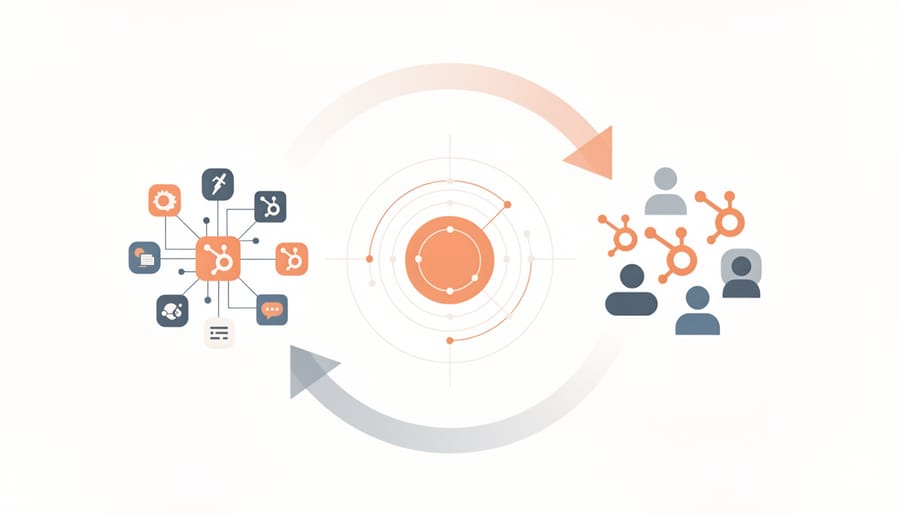
HubSpot’s app ecosystem thrives because it carefully orchestrates value between three distinct groups, much like a well-conducted symphony. Understanding how this three-sided marketplace works offers crucial insights for anyone interested in how modern platforms create sustainable growth.
At the center sits HubSpot as the platform owner, maintaining the infrastructure and setting the rules of engagement. Think of them as the architect who builds the foundation and ensures everyone plays fairly. They invest in APIs, documentation, and security while taking a revenue share from paid apps as their return on investment.
On the second side are the developers and app creators who build solutions addressing specific customer needs. These innovators range from solo developers crafting niche tools to enterprise companies building comprehensive integrations. HubSpot incentivizes them through access to millions of potential customers, robust development tools, and clear monetization pathways. A developer creating a custom reporting tool, for instance, can reach HubSpot’s entire customer base without building their own marketing infrastructure.
The third side consists of end-users, the businesses using HubSpot who need specialized functionality beyond core features. They benefit from hundreds of vetted solutions solving problems like advanced analytics, social media management, or e-commerce integration without waiting for HubSpot to build everything in-house.
This model works because each party receives clear value: HubSpot extends its platform capabilities, developers gain distribution and revenue, and customers access tailored solutions. The key lies in maintaining balance, ensuring no single group dominates at others’ expense, creating a self-reinforcing cycle of innovation and growth.
Quality Control Without Killing Innovation
Walking the tightrope between maintaining quality and fostering innovation is perhaps HubSpot’s most impressive feat. Their app review process operates like a friendly gatekeeper rather than a fortress wall, ensuring apps meet standards without crushing developer creativity.
Think of HubSpot’s certification system as a trust ladder with multiple rungs. At the base level, apps go through basic technical reviews checking for security vulnerabilities and proper API usage. This isn’t about perfection from day one, but rather ensuring apps won’t break user experiences or compromise data. Developers receive actionable feedback rather than simple rejections, turning the review process into a learning opportunity.
The certification tiers get particularly interesting. Apps can launch with basic approval, but those seeking the coveted “Built for HubSpot” badge must demonstrate exceptional quality, performance benchmarks, and seamless integration with HubSpot’s ecosystem. It’s like the difference between getting your driver’s license and earning a professional racing certification—both valid, but one signals expertise.
What makes this approach brilliant for emerging AI plugin stores is the balance it strikes. HubSpot doesn’t demand perfection upfront, which would stifle experimentation. Instead, they create clear pathways for improvement. Developers can start small, gather user feedback, and iterate toward higher certification levels. This graduated system encourages innovation while giving users transparent quality signals, allowing them to make informed decisions about which apps to trust with their business operations.
How Consumer LLMs Are Building Their Own Plugin Stores
From Static Models to Dynamic Tools
Traditional large language models are impressive conversationalists, but they exist in a limited bubble. They can discuss recipes, analyze data, or answer questions, yet they can’t actually order groceries, update spreadsheets, or book appointments. This is where plugins become transformative, turning AI from a knowledgeable advisor into a capable assistant that takes real action.
Think of it this way: without plugins, asking an LLM to “schedule a meeting with my team” results in helpful suggestions about scheduling tools you might use. With plugins, that same request triggers the AI to check your calendar, find available times, send invitations, and confirm the appointment, all without you opening another application.
This shift mirrors what happened with smartphone apps. Early phones could only make calls and send texts, but the app ecosystem transformed them into cameras, GPS devices, payment systems, and entertainment hubs. Similarly, Google’s plugin ecosystem and others are enabling LLMs to connect with external services and databases, expanding their capabilities exponentially.
Consider practical examples: a customer service AI plugin might pull order history from your e-commerce platform, process refunds, and update shipping information. A marketing assistant plugin could analyze campaign performance, generate reports, and even adjust ad spending based on real-time data. These aren’t hypothetical futures; they’re happening now as plugins bridge the gap between AI intelligence and practical business operations, creating genuine productivity gains across industries.
The Trust Problem AI Platforms Must Solve
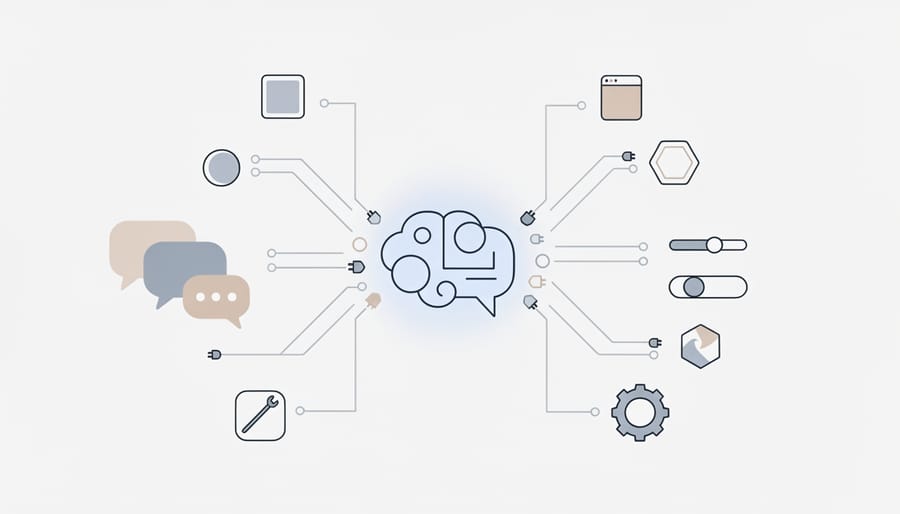
When AI platforms like ChatGPT or Claude allow plugins to extend their capabilities, they face a security challenge that traditional app marketplaces rarely encounter: how do you let an AI model execute code from third-party developers without compromising user safety?
Think of it this way. In HubSpot’s ecosystem, each app operates in a relatively controlled environment. A marketing automation tool accesses only the data you explicitly grant it, and it performs predictable, pre-programmed functions. But when an AI model interacts with a plugin, the situation becomes more complex. The model might interpret user requests in unexpected ways, potentially triggering unintended actions in connected apps.
Different AI providers tackle this problem with varying approaches. OpenAI initially launched ChatGPT plugins with strict review processes and sandboxed execution environments, where each plugin runs in isolation. They also implemented confirmation prompts, asking users to approve actions before the AI executes them through third-party code.
Anthropic took a more cautious route with Claude, prioritizing transparent operation logs that show users exactly what data the AI shares with external tools. Meanwhile, some open-source LLM platforms place the security burden on developers themselves, assuming technical users can evaluate risks independently.
The core challenge remains: balancing the innovation that open ecosystems enable with the safety users deserve. As these platforms mature, we’re seeing convergence around common standards like OAuth authentication, rate limiting, and detailed permission systems that mirror successful models from established app marketplaces while addressing AI-specific risks.
Five Lessons LLM Platforms Can Learn From HubSpot

Developer Documentation That Actually Helps
One of HubSpot’s secret weapons is documentation that developers actually want to read. Their API guides feature clear code examples in multiple programming languages, interactive testing environments, and step-by-step tutorials that assume you’re learning as you go. Each endpoint comes with practical use cases, not just technical specifications.
Compare this to the current state of LLM plugin development, where documentation often feels like an afterthought. Many AI platforms provide bare-bones instructions that assume extensive prior knowledge, leaving developers to piece together solutions through trial and error or community forums.
HubSpot takes a different approach by offering sandbox environments where developers can experiment without consequences. Their documentation includes common error messages with actual fixes, video walkthroughs for complex integrations, and a searchable knowledge base that anticipates real questions developers ask.
This comprehensive support system dramatically lowers the barrier to entry. A developer with basic programming skills can publish their first HubSpot integration within days, not weeks. For LLM platforms hoping to build thriving plugin ecosystems, this model demonstrates that investing in education and clear communication pays dividends by expanding the pool of potential contributors beyond elite developers to include the broader tech community.
Discoverability Through Smart Categorization
HubSpot faces a familiar challenge: with thousands of apps in its marketplace, how do users find the right tool without drowning in options? The platform tackles this through a multi-layered categorization system that groups apps by function (sales, marketing, service), industry vertical, and popularity metrics. Users can filter by use case—like “email automation” or “lead scoring”—making the discovery process feel more like a guided recommendation than a database search.
This smart organization isn’t just cosmetic. HubSpot’s algorithm surfaces apps based on what similar users have installed, creating a Netflix-style discovery experience. Apps are tagged with specific capabilities, so searching for “CRM enhancement” returns precisely relevant results rather than a random assortment of third-party integrations.
LLM platforms like ChatGPT and Claude are now wrestling with identical discoverability challenges as their plugin libraries expand. Early attempts mirror HubSpot’s playbook: categorical browsing, search functionality, and user ratings. However, AI platforms have a unique advantage—they can use natural language understanding to match user intent with plugin capabilities, potentially making discovery more intuitive than traditional keyword-based searches. The question remains whether these emerging ecosystems will adopt HubSpot’s proven taxonomy strategies or pioneer entirely new approaches suited to conversational interfaces.
Revenue Sharing That Motivates Quality
HubSpot’s revenue model offers valuable lessons for the emerging world of AI plugins. When developers build apps for HubSpot’s marketplace, they can choose between free and paid distribution models. HubSpot takes a percentage of paid app subscriptions, creating a win-win arrangement where both the platform and developers benefit from successful applications.
This revenue-sharing approach motivates developers to create high-quality tools that solve real problems. The better an app performs, the more revenue both parties generate. HubSpot provides developers with analytics dashboards showing user engagement, helping them refine their offerings based on actual usage patterns.
For LLM plugin ecosystems, similar models are starting to emerge. OpenAI’s GPT Store, for example, allows creators to build custom GPTs and potentially monetize them. The key difference? LLM plugins often require less infrastructure investment than traditional SaaS apps, lowering barriers to entry for individual developers.
The most successful monetization strategies combine subscription models with usage-based pricing. As AI assistants become more sophisticated, developers who create specialized plugins that enhance specific capabilities like data analysis, content creation, or workflow automation will find ready markets, mirroring HubSpot’s ecosystem success.
User Permissions and Data Privacy
HubSpot takes data security seriously by implementing OAuth 2.0 authentication, ensuring third-party apps can only access what users explicitly authorize. When a business installs an app from the marketplace, they grant specific permissions—like viewing contacts or modifying deals—rather than handing over blanket access to everything. This granular control protects sensitive customer information while enabling functionality.
For LLM plugin stores, the stakes are even higher. These platforms handle personal conversations, documents, and search histories that reveal intimate details about users’ lives and work. Unlike traditional SaaS integrations where data flows between business systems, LLM plugins process individual user data in real-time, creating unique security and privacy challenges. AI platform developers must implement transparent consent flows, clearly showing what data plugins can access and how long they retain it. Users should be able to revoke permissions instantly and understand whether their information gets stored, processed locally, or sent to external servers. As LLM ecosystems mature, adopting enterprise-grade privacy standards similar to HubSpot’s approach will be essential for building user trust.
Building Network Effects That Lock In Value
HubSpot’s ecosystem creates powerful network effects that make switching to competitors increasingly difficult. When businesses invest time building custom integrations, training staff on specific workflows, and connecting multiple apps through HubSpot’s marketplace, they’re essentially locking themselves into the platform. The more integrations a company uses, the higher the cost of migrating elsewhere. This isn’t accidental—it’s a deliberate strategy that turns customers into long-term users.
LLM platforms are now racing to replicate this playbook. OpenAI’s plugin marketplace and similar initiatives from Anthropic and Google aim to make their AI models indispensable by encouraging developers to build specialized tools. When a business relies on custom GPT plugins for customer service, data analysis, or content creation, switching to a competing LLM means rebuilding those integrations from scratch. The goal is simple: make the ecosystem so valuable that leaving becomes impractical, creating a competitive moat that protects market share even as new AI models emerge.
Real-World Impact: What Users Actually Gain
Let’s move beyond theory and examine what these ecosystems actually deliver to their users in day-to-day situations.
In the HubSpot ecosystem, a small marketing team at an e-commerce company might struggle with manual lead scoring and email follow-ups. By integrating apps like Typeform for custom surveys and Zapier for workflow automation, they can automatically capture customer feedback, score leads based on engagement, and trigger personalized email sequences without writing a single line of code. The result? One marketing manager reported reducing time spent on routine tasks from 15 hours per week to just 3 hours, freeing up resources for creative strategy work.
Similarly, the LLM plugin ecosystem transforms how professionals handle complex tasks. Consider a financial analyst who previously spent hours collecting market data from multiple sources, formatting spreadsheets, and generating reports. With plugins that connect to financial databases and visualization tools, they can now ask their AI assistant to pull real-time stock data, perform comparative analysis, and generate charts in minutes rather than hours. The real-world applications extend far beyond simple queries.
Content creators benefit enormously as well. A freelance writer using LLM plugins can research topics, fact-check information, and even translate content into multiple languages within a single conversation. What once required juggling browser tabs, reference documents, and translation software now happens seamlessly in one interface.
The common thread? Both ecosystems eliminate friction between intention and execution. They don’t just add features—they remove obstacles that prevent people from accomplishing their goals efficiently. Whether you’re automating customer relationship management in HubSpot or conducting multi-step research with AI plugins, these extensions turn complicated multi-tool workflows into streamlined, integrated experiences that save time and reduce errors.
The Risks Both Ecosystems Face
When Platforms Change the Rules
Platform policy changes can transform thriving integrations into broken tools overnight. HubSpot’s ecosystem has weathered several significant shifts that offer cautionary tales for anyone building on external platforms.
In 2018, HubSpot deprecated several API endpoints with limited notice, forcing developers to rebuild core functionality within tight deadlines. Apps that relied heavily on these endpoints faced customer complaints and urgent rewrites. More recently, HubSpot introduced stricter data access policies, requiring apps to justify each permission they requested—a sensible security move that nonetheless required extensive documentation updates.
The warning signs emerging in LLM ecosystems mirror HubSpot’s early growing pains. OpenAI’s rapid changes to ChatGPT plugin specifications and Google’s shifting approach to Bard extensions suggest similar volatility ahead. When platforms prioritize their own features over third-party tools, developers often find their integrations competing directly with native functionality.
Smart developers watch for these red flags: sudden documentation changes, new competing features from the platform itself, and shifting approval processes. Building with flexibility in mind—using abstraction layers and avoiding hardcoded dependencies—helps cushion the impact when platforms inevitably evolve their rules.
What’s Next for AI Plugin Ecosystems
The lessons we’ve learned from HubSpot’s mature marketplace offer valuable insights into where AI plugin ecosystems are heading. As app ecosystems transform AI assistants from simple chatbots into comprehensive platforms, we’re seeing several emerging trends that mirror HubSpot’s evolutionary journey.
Cross-platform plugins represent the next frontier. Just as HubSpot integrations connect with hundreds of tools, future AI plugins will likely work across multiple large language models simultaneously. Imagine building a plugin once and deploying it to ChatGPT, Claude, and Gemini without rewriting code. This interoperability will become essential as businesses adopt multiple AI platforms for different purposes, similar to how companies today use various marketing and sales tools that all need to communicate with each other.
Development tools are also evolving rapidly. HubSpot created specialized frameworks and testing environments that made it easier for developers to build quality apps. We’re already seeing AI-native development platforms emerge that use language models themselves to help create, test, and optimize plugins. These tools will democratize plugin creation, allowing non-programmers to build functional extensions using natural language instructions rather than traditional coding.
Market consolidation appears inevitable. HubSpot’s ecosystem matured through acquisitions and partnerships, with stronger apps absorbing competitors and forming strategic alliances. The AI plugin landscape will likely follow suit, with successful developers creating suites of related tools and larger tech companies acquiring promising startups to expand their capabilities. This consolidation will ultimately benefit users through more polished, comprehensive solutions, though it may reduce the initial diversity we see today in nascent marketplaces.
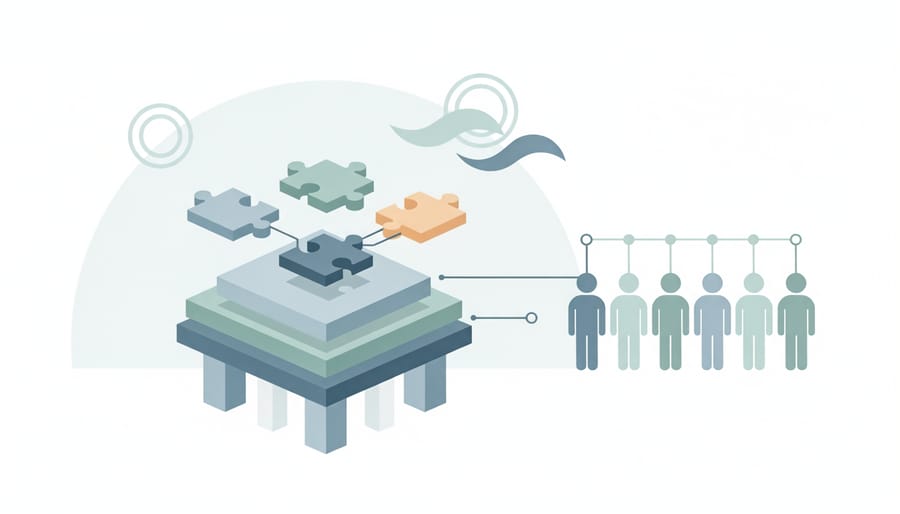
HubSpot’s decade-long journey building a thriving app ecosystem offers valuable lessons for the emerging world of AI platforms. Just as HubSpot transformed from a simple marketing tool into an extensible platform supporting thousands of integrations, today’s large language models are evolving beyond standalone chatbots into ecosystems that can be customized and extended through plugins.
The parallels are striking. HubSpot succeeded by prioritizing developer experience, maintaining clear documentation, implementing rigorous review processes, and fostering a genuine community around its marketplace. These same principles now determine which AI platforms will dominate the plugin landscape. OpenAI’s ChatGPT plugins, Microsoft’s Copilot extensions, and other LLM marketplaces are all racing to replicate this proven model.
For those choosing AI tools with plugin support, look for platforms that demonstrate commitment to long-term ecosystem health. Ask yourself: Does the platform provide comprehensive API documentation? Is there an active developer community? Are security reviews transparent and thorough? Does the marketplace make discovery intuitive for users?
The platforms investing in these fundamentals today will likely become the HubSpots of the AI era, while those treating plugins as an afterthought may struggle to maintain relevance. As AI becomes increasingly central to business operations, the difference between a walled garden and a true ecosystem will determine which tools deliver lasting value. Choose platforms building bridges, not just features.