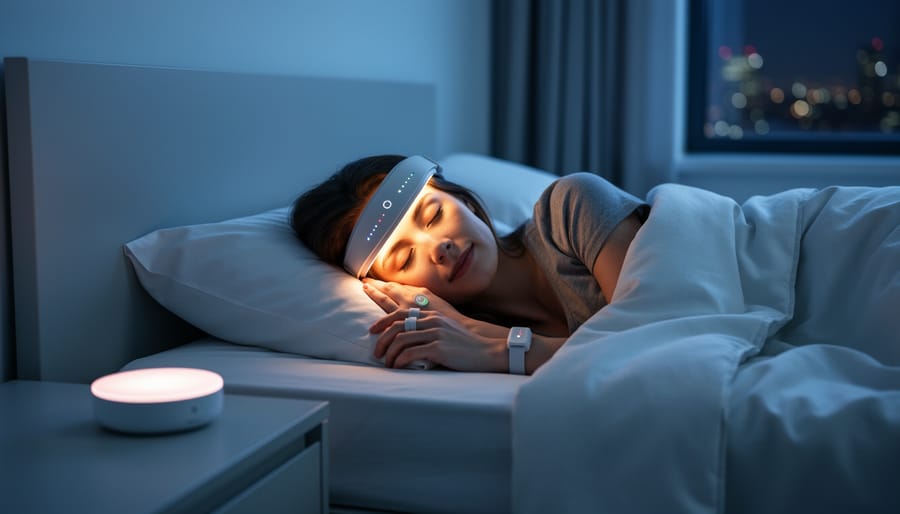
Imagine falling asleep while a device analyzes your brain waves, heart rate, and breathing patterns with laboratory precision—all from the comfort of your bedroom. The Z Machine, a breakthrough in AI sleep tracking technology, represents the next evolution in understanding and improving how we rest. Unlike basic fitness trackers that estimate sleep quality through movement, this advanced system combines medical-grade sensors with artificial intelligence to deliver insights once available only in clinical sleep laboratories.
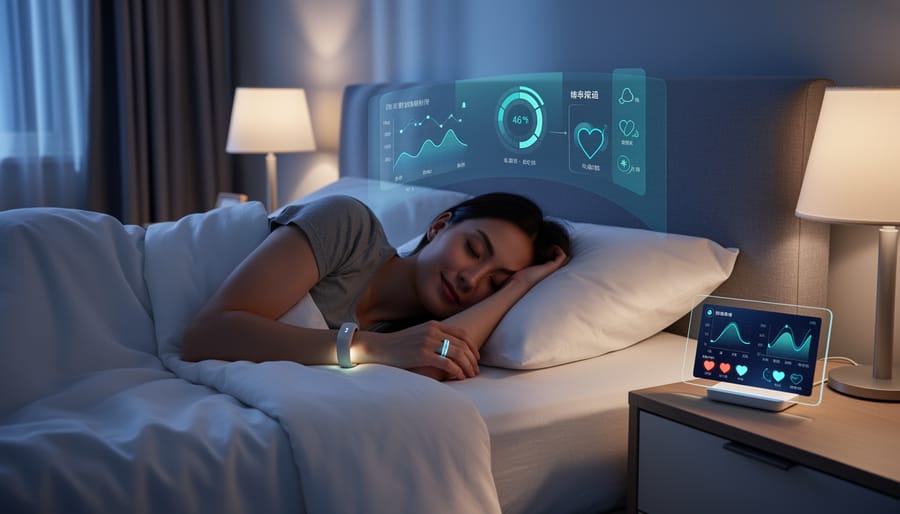
Sleep disorders affect nearly 70 million Americans, yet traditional sleep studies require overnight hospital stays, costing thousands of dollars and creating waitlists that stretch for months. The Z Machine disrupts this model by bringing clinical-level sleep analysis home. It monitors multiple biometric signals simultaneously—electroencephalography for brain activity, photoplethysmography for heart rhythms, and respiratory sensors for breathing patterns—then processes this data through machine learning algorithms trained on millions of sleep cycles.
What makes this technology revolutionary is its dual capability: detecting serious conditions like sleep apnea and insomnia while providing personalized recommendations to optimize sleep quality for healthy individuals. The system learns your unique sleep architecture over time, identifying patterns invisible to conventional tracking methods. For technology enthusiasts curious about practical AI applications and anyone struggling with restless nights, understanding how the Z Machine works offers a glimpse into the future of personalized health monitoring.
What Is the Z Machine Sleep Study?
The Science Behind Z Machine Technology
Understanding how the Z Machine works is simpler than you might think. Unlike traditional sleep studies that require you to spend a night in a clinical setting covered in dozens of wires, this technology brings hospital-grade monitoring to your bedroom using a streamlined approach.
At its core, the Z Machine functions like a sophisticated detective, gathering multiple streams of data throughout the night. The primary sensor typically rests against your forehead or chest, where it captures brain wave activity through electroencephalography (EEG). These electrical signals reveal which sleep stage you’re in at any given moment, from light sleep to deep restorative sleep and REM (rapid eye movement) sleep where most dreaming occurs.
But brain waves tell only part of the story. The device simultaneously tracks your heart rate and heart rate variability, which indicate how well your body is relaxing and recovering during sleep. Built-in accelerometers detect even subtle movements, helping identify restlessness, position changes, or potential sleep disruptions you might not consciously remember.
Here’s where artificial intelligence enters the picture. The Z Machine doesn’t just collect raw data; it analyzes patterns using machine learning algorithms trained on thousands of sleep studies. Think of it as having a sleep scientist working overnight, comparing your measurements against vast databases to identify irregularities like breathing pauses, unusual heart rhythms, or fragmented sleep cycles.
The device measures oxygen saturation levels through pulse oximetry, the same technology used in those clip-on finger monitors at doctor’s offices. This metric proves particularly valuable for detecting sleep apnea or other breathing-related conditions.
All this data gets processed and translated into actionable insights you can actually understand, transforming complex physiological measurements into personalized sleep improvement recommendations. The technology removes the intimidation factor from sleep science, making clinical-grade monitoring accessible to anyone curious about optimizing their rest.
How It Differs from Traditional Sleep Studies
Traditional sleep studies require an overnight stay at a specialized clinic where technicians attach numerous sensors and electrodes to your body. You sleep in an unfamiliar environment while cameras monitor you throughout the night. It’s effective but expensive, often costing thousands of dollars, and the waiting list can stretch for months.
Consumer sleep trackers, on the other hand, offer convenience but limited insight. Your smartwatch or fitness band might track movement and heart rate, providing basic sleep duration estimates. However, these devices often miss crucial details about sleep architecture and can’t reliably distinguish between different sleep stages.
Z Machine sleep studies bridge this gap by combining professional-grade accuracy with at-home convenience. Unlike clinic-based polysomnography, you sleep in your own bed, which means the data reflects your actual sleep patterns rather than how you sleep in a sterile lab setting. This home advantage eliminates the “first-night effect,” where anxiety about sleeping in a strange place skews results.
The technology delivers deeper data than consumer trackers by using advanced machine learning algorithms to analyze multiple physiological signals simultaneously. Where your fitness band might guess you’re in deep sleep based on limited movement, Z Machine technology can identify specific sleep stages by recognizing complex patterns in your breathing, heart rate variability, and other biomarkers.
Perhaps most importantly, Z Machine studies cost a fraction of traditional sleep labs while providing comparable diagnostic accuracy, making professional sleep analysis accessible to more people who need it.
AI’s Role in Modern Sleep Monitoring
Machine Learning Algorithms That Understand Your Sleep
The magic behind Z machine sleep studies lies in sophisticated machine learning algorithms that act as digital sleep detectives, continuously analyzing your nighttime data to uncover patterns invisible to the human eye.
These algorithms work by processing multiple data streams simultaneously. Throughout the night, sensors capture information about your movement, heart rate variability, breathing patterns, and environmental factors like room temperature. The ML models then cross-reference this data against vast databases of sleep research, comparing your patterns to millions of other sleep profiles. Think of it as having a sleep expert who has studied countless nights of human rest, now focused exclusively on understanding your unique sleep signature.
What makes these algorithms particularly powerful is their ability to detect subtle anomalies that might signal underlying issues. For example, they can identify micro-arousals that you don’t consciously remember, irregular breathing patterns that suggest sleep apnea, or restless leg movements that fragment your sleep quality. The system might notice that you consistently experience disrupted REM sleep between 3-4 AM, or that your deep sleep phases are shorter on nights when you exercise late.
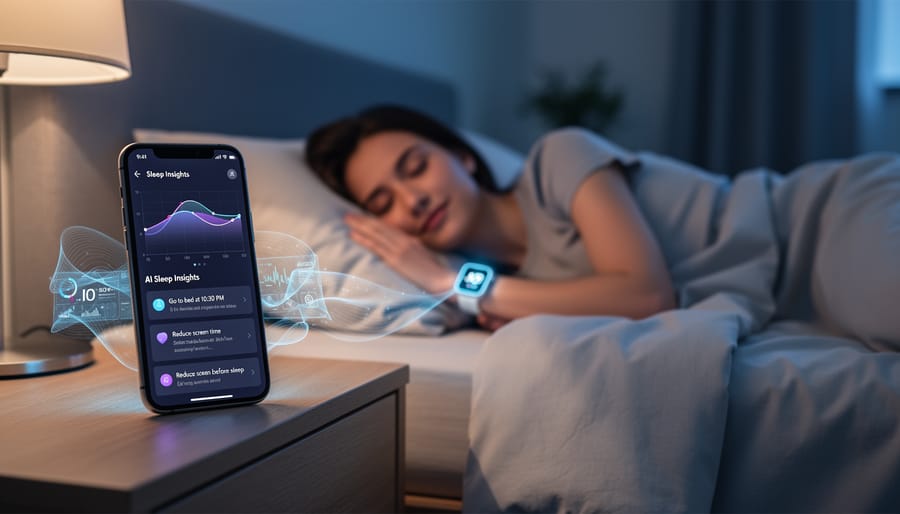
Beyond detection, these algorithms excel at predictive health analytics, offering personalized recommendations. They might suggest adjusting your bedroom temperature by two degrees, recommend a different bedtime based on your sleep debt patterns, or alert you that your recent caffeine consumption timing correlates with reduced sleep efficiency.
The real-world impact is striking: users report the algorithms catching early signs of sleep disorders weeks before they would have sought medical help, identifying correlations between daily habits and sleep quality, and providing actionable insights that lead to measurable improvements in how rested they feel each morning.
Real-Time Data Processing and Insights
Traditional sleep studies require you to wait days or even weeks for results after spending an uncomfortable night in a sleep lab. AI-powered sleep monitoring changes this paradigm entirely by processing your sleep data in real-time, delivering insights while you’re still waking up.
Think of it like having a personal sleep analyst working around the clock. As you sleep, sensors collect data on your breathing patterns, heart rate, movement, and brain activity. Machine learning algorithms process this information instantly, identifying patterns and anomalies as they occur. By morning, you receive a comprehensive report showing exactly what happened during your night’s rest, including how many times you woke up, the quality of your REM sleep, and any concerning events like breathing interruptions.
This continuous monitoring approach offers significant advantages over traditional periodic assessments. Instead of capturing a snapshot of one or two nights in a clinical setting, which might not represent your typical sleep patterns, AI systems track your sleep over weeks and months. This longitudinal data reveals trends that single-night studies would miss, such as how your sleep quality changes with stress levels, diet, or exercise habits.
The immediate feedback loop also enables quick adjustments. If the system detects persistent issues like irregular breathing or insufficient deep sleep, you can modify your sleep environment or habits right away rather than waiting for a follow-up appointment. This responsiveness transforms sleep improvement from a slow, reactive process into a dynamic, data-driven journey toward better rest.
What Z Machine Studies Have Revealed About Sleep Health
Surprising Patterns in Sleep Architecture
Meet Sarah, a 42-year-old marketing executive who always assumed her fragmented sleep was simply part of being a busy professional. When she participated in a Z machine sleep study, researchers discovered something unexpected: her sleep architecture looked nothing like traditional textbook patterns, yet she functioned perfectly well during the day.
This revelation reflects one of the most surprising discoveries emerging from large-scale Z machine analyses. The old notion of “perfect sleep” following rigid 90-minute cycles with predictable stage progressions doesn’t apply to everyone. Machine learning algorithms analyzing thousands of sleep sessions have identified multiple healthy sleep phenotypes. Some people naturally spend less time in REM sleep, others have shorter cycles, and many healthy sleepers show patterns that would have been flagged as problematic under conventional standards.
Even more intriguing, the technology revealed that sleep architecture changes significantly with age, stress levels, and even seasonal variations in ways we never fully documented before. A pattern considered normal for a 25-year-old might look completely different from healthy sleep in a 55-year-old, yet both serve their restorative purposes equally well.
These insights are particularly valuable for AI mental health applications, where understanding individual sleep patterns helps clinicians distinguish between harmless variations and genuine sleep disorders. The key takeaway? Your sleep doesn’t need to match a textbook to be healthy—it needs to work for you.
How This Technology Benefits You
Early Detection of Sleep Disorders
Modern sleep monitoring technology acts as a vigilant guardian, watching for warning signs that might otherwise go unnoticed until they’ve evolved into serious health concerns. Advanced sleep studies using AI-powered sensors can now detect subtle patterns in breathing, movement, and brain activity that indicate developing sleep disorders long before symptoms become severe.
Sleep apnea, one of the most common yet underdiagnosed conditions, serves as a prime example. Traditional diagnosis often required patients to already experience extreme daytime fatigue or loud snoring before seeking help. Today’s intelligent monitoring systems can identify irregular breathing patterns and oxygen level fluctuations during early stages, when intervention is most effective. The technology tracks hundreds of micro-events throughout the night, building a comprehensive picture that human observers might miss.
Similarly, insomnia patterns emerge through detailed sleep cycle analysis. Machine learning algorithms recognize when someone consistently struggles to enter deep sleep phases or experiences frequent night wakings, even if the person doesn’t consciously remember these disruptions. This data reveals the difference between occasional restlessness and chronic insomnia requiring treatment.
Circadian rhythm disorders, which affect when you naturally feel sleepy or alert, become apparent through continuous monitoring of sleep-wake patterns. The early detection capabilities of these systems can identify shifts in your internal clock before they significantly impact your daily life, allowing for timely adjustments to sleep schedules or light exposure therapy. This proactive approach transforms sleep medicine from reactive treatment to preventive care.
Personalized Sleep Optimization
Once your Z machine sleep study collects detailed data about your sleep patterns, the real magic happens through AI-powered analysis. Think of it as having a sleep scientist who studies only you, learning your unique sleep fingerprint and crafting solutions tailored specifically to your needs.
The AI examines hundreds of data points from your study, including when you naturally fall into deep sleep, how environmental factors affect your rest cycles, and which sleep stages you’re missing. It then compares this information against massive databases of successful sleep interventions to identify what’s most likely to work for your specific situation.
For example, if your data shows you’re taking 45 minutes to fall asleep but sleeping soundly once you do, the AI might recommend a specific pre-bed routine starting 90 minutes before your optimal sleep time. If you’re waking frequently during REM sleep, it might suggest adjusting your room temperature by a few degrees or changing your sleeping position.
These personalized wellness recommendations go beyond generic sleep advice. The system might discover that you sleep better on nights when you exercise before 3 PM rather than later, or that your deep sleep improves when you avoid screens 2.5 hours before bed instead of the standard one-hour recommendation.
The beauty of this approach is continuous refinement. As you implement changes and the system gathers more data, the recommendations become increasingly precise, creating a personalized sleep optimization plan that evolves with you.
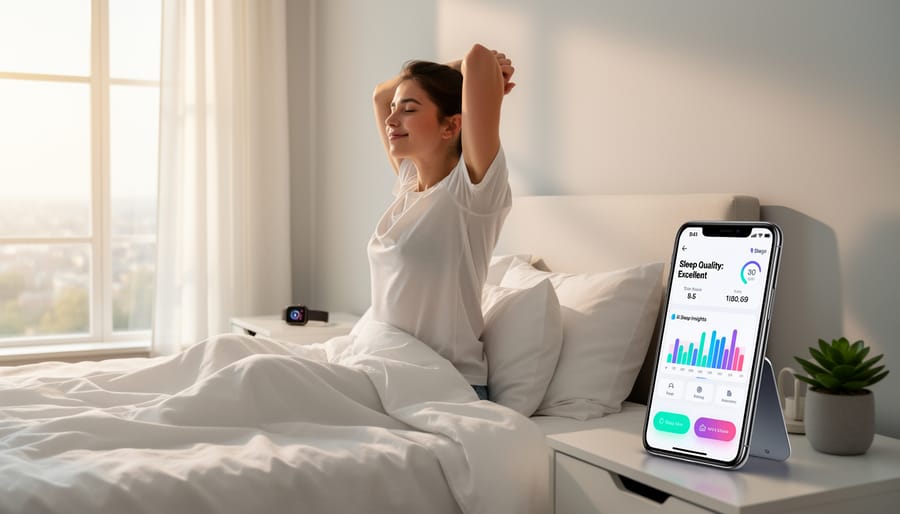
The Future of AI-Enhanced Sleep Monitoring
The sleep monitoring landscape is evolving rapidly, with several promising developments on the horizon that could transform how we understand and improve our rest.
One of the most exciting trends is the integration of multiple data streams into comprehensive sleep ecosystems. Rather than relying on a single device, future systems will combine data from your smartwatch, bedroom sensors, smart home devices, and even your calendar to create a complete picture of your sleep health. Machine learning algorithms will analyze how your evening activities, room temperature, and stress levels from the day ahead all impact your sleep quality, offering personalized recommendations that go far beyond “go to bed earlier.”
Researchers are also developing non-contact monitoring systems that use radar and advanced sensors to track breathing patterns, heart rate, and movement without requiring you to wear anything at all. These systems, similar in approach to current AI-powered sleep tracking but even less intrusive, could make accurate sleep monitoring accessible to people who find wearables uncomfortable.
The next generation of sleep AI will likely focus on predictive capabilities. Imagine your sleep system alerting you mid-afternoon that based on your current stress markers and caffeine intake, you’re at risk for poor sleep tonight unless you make specific adjustments. Early research in this area shows promising results.
Perhaps most importantly, we’re seeing a shift toward clinical integration. Sleep tracking technology that was once purely consumer-focused is now being validated for medical use, creating bridges between home monitoring and professional sleep medicine. This means the insights you gather nightly could soon complement traditional sleep studies, making diagnosis and treatment more efficient and personalized than ever before.
The convergence of advanced sleep monitoring technology and artificial intelligence represents a genuine breakthrough in how we understand and improve our rest. Whether we’re talking about sophisticated Z Machine sleep studies conducted in clinical settings or the AI-powered sleep trackers you can use at home, these innovations share a common goal: transforming raw sleep data into actionable insights that help you sleep better.
What makes this technology particularly exciting is its growing accessibility. You don’t need to be part of a research study or have a diagnosed sleep disorder to benefit from AI-enhanced sleep monitoring. Modern wearables and smartphone apps now incorporate many of the same analytical principles used in professional sleep labs, putting powerful diagnostic capabilities right on your wrist or nightstand.
The real value lies not just in collecting data, but in the personalized recommendations these systems generate. By analyzing patterns across multiple sleep cycles, AI can identify specific issues—whether it’s inconsistent bedtimes, environmental disturbances, or sleep stage imbalances—and suggest targeted improvements. This moves us beyond generic sleep advice toward truly customized solutions.
As these technologies continue to evolve, they’re becoming more accurate, affordable, and user-friendly. The barriers to understanding your sleep are lower than ever before. If you’ve been struggling with restless nights or simply want to optimize your rest, embracing these AI-powered tools could be your first step toward lasting change. Your best sleep might be just one data-driven insight away.