
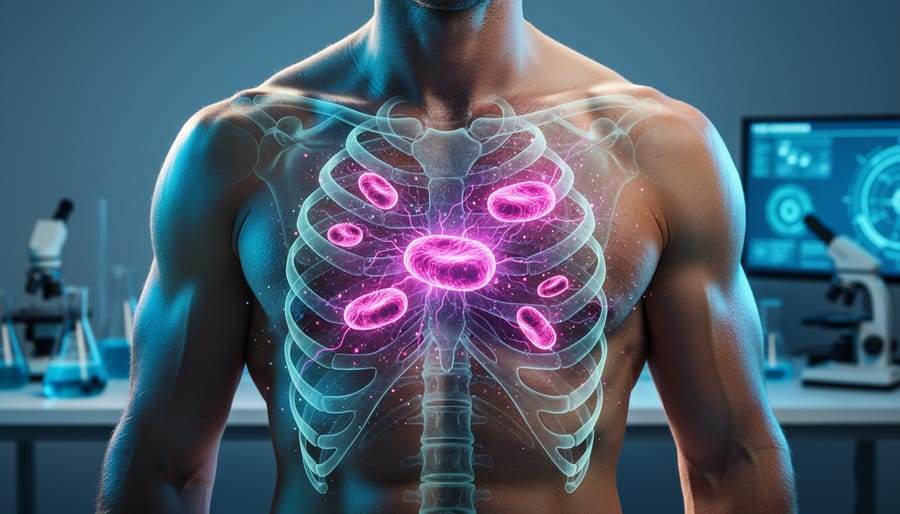
Imagine your body’s metabolic processes being analyzed at the quantum level—not science fiction, but the emerging frontier where quantum computing meets personalized health optimization. Quantum metabolic refers to applying quantum computing principles and quantum biology insights to understand and enhance how your body converts food into energy at the molecular and subatomic scale.
Traditional AI-powered metabolism tracking uses machine learning to spot patterns in your diet and energy expenditure. Quantum metabolic takes this exponentially further by modeling the actual quantum mechanical processes happening inside your cells—like electron transfers in mitochondria or quantum tunneling in enzyme reactions—to create unprecedented precision in metabolic predictions.
Here’s what makes this revolutionary: quantum computers can simulate millions of molecular interactions simultaneously, something classical computers struggle with. When combined with AI algorithms, these simulations can predict how specific foods, supplements, or lifestyle changes will affect your unique metabolic pathways before you make a single change to your routine.
Right now, companies are developing quantum-enhanced platforms that analyze your metabolic fingerprint down to quantum coherence patterns in cellular energy production. Early applications include optimizing nutrition for elite athletes, personalizing treatments for metabolic disorders, and identifying the most efficient energy pathways for individual bodies.
The technology sits at the intersection of quantum biology—the study of quantum effects in living systems—and practical health applications. While still emerging, quantum metabolic represents a shift from one-size-fits-all health advice to truly personalized optimization based on the fundamental physics governing your cellular machinery. Understanding this convergence helps you grasp where health technology is heading and what personalized wellness might look like in the near future.
What Does ‘Quantum Metabolic’ Actually Mean?
The Science Behind Quantum Biology
At the molecular level, your metabolism operates according to rules that seem almost magical—and quantum mechanics helps explain how. Three key quantum phenomena play starring roles in biological processes: quantum tunneling, coherence, and entanglement.
Quantum tunneling allows particles to pass through energy barriers they theoretically shouldn’t be able to cross. Think of it like a ball rolling through a wall instead of over it. In your cells, enzymes use this trick constantly. When breaking down food molecules, hydrogen atoms tunnel through barriers during chemical reactions, making metabolism happen thousands of times faster than classical physics would predict. Without tunneling, digesting your breakfast would take impossibly long.
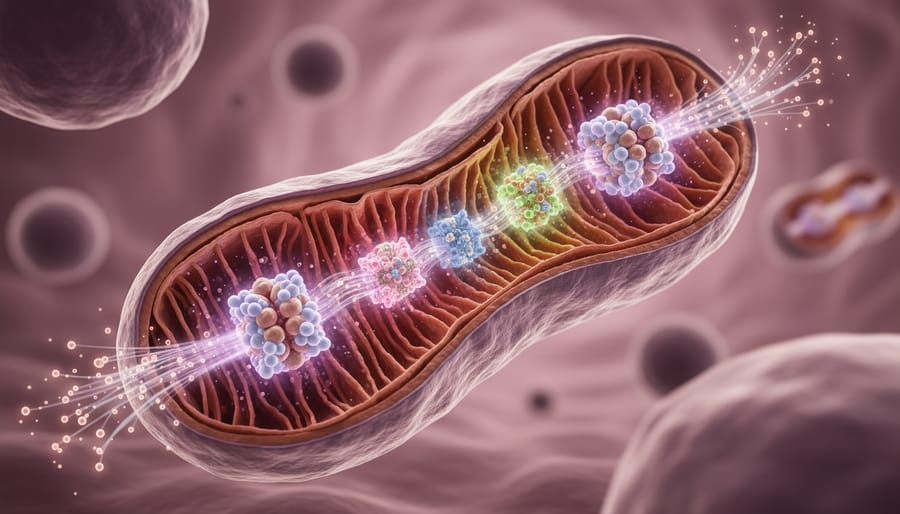
Quantum coherence describes when particles exist in multiple states simultaneously until measured. Your mitochondria—the powerhouses of your cells—exploit this during cellular respiration. Electrons traveling through transport chains maintain coherent states, allowing them to test multiple pathways at once and choose the most efficient route for energy production. This quantum efficiency is what keeps your 37 trillion cells powered every second.
Entanglement, where particles remain mysteriously connected across distances, may also play a role. Some researchers believe entangled electrons help coordinate complex metabolic networks, though this remains under investigation.
These quantum effects aren’t just theoretical curiosities. They’re fundamental to how your body converts food into energy. Understanding this quantum foundation is what makes the intersection of machine learning and quantum computing so promising for health optimization—AI can potentially model and enhance these ultra-fast quantum processes happening inside you right now.
Why Traditional Metabolic Tracking Falls Short
Your smartwatch tracks steps. Your fitness app counts calories. Your annual blood test measures glucose and cholesterol. These tools provide valuable snapshots, but they’re essentially taking photographs when what you really need is a movie.
Traditional metabolic tracking operates on a macro scale. A blood test captures a single moment in time—maybe your glucose was 95 mg/dL at 8 AM after fasting. But what happened at 10 AM after breakfast? Or during your afternoon workout? Wearables fill some gaps by monitoring heart rate and activity levels, but they can’t detect the cellular-level changes happening inside your mitochondria or how efficiently your cells are actually producing energy.
Think of it like checking your bank balance once a month versus having real-time transaction notifications. Conventional methods miss the metabolic fluctuations that occur throughout the day—the subtle shifts in how your body processes nutrients, responds to stress, or recovers from exercise. They can’t predict when you’re approaching metabolic dysfunction or catch early warning signs at the cellular level. This is precisely where quantum-level monitoring promises to revolutionize our understanding, offering continuous, granular insights that traditional tools simply cannot capture.
How AI Makes Sense of Quantum Metabolic Data
Machine Learning Models for Molecular Pattern Recognition
Machine learning algorithms excel at finding patterns invisible to the human eye, and when applied to quantum metabolic data, they become powerful early-warning systems for health issues. Think of it like a smoke detector for your metabolism—ML models can sense problems brewing long before you feel sick.
Here’s how it works: quantum sensors capture thousands of metabolic measurements from your cells, creating what scientists call a “metabolic signature.” This signature is like a fingerprint, but instead of identifying who you are, it reveals how efficiently your cells produce energy, manage stress, and repair damage. Machine learning algorithms analyze these complex patterns by comparing your data against vast databases of healthy and diseased metabolic profiles.
Consider a practical example. Researchers have trained ML models to detect early-stage diabetes by analyzing subtle shifts in cellular energy production that occur months before blood sugar levels become abnormal. The algorithm notices patterns like decreased mitochondrial efficiency or unusual fat metabolism—changes too small for traditional tests to catch but significant enough to predict future problems.
Another compelling application involves cancer detection. Cancer cells have distinctive metabolic signatures because they consume energy differently than healthy cells. ML algorithms can identify these abnormal patterns in tissue samples, sometimes detecting malignancies earlier than conventional imaging.
The beauty of this approach is continuous learning. As these systems analyze more patients over time, they become increasingly accurate at distinguishing between normal metabolic variation and genuine health threats. It’s like having a diagnostic assistant that gets smarter with every case it reviews, eventually recognizing patterns that even experienced doctors might miss. This combination of quantum sensing precision and machine learning pattern recognition represents a fundamental shift toward truly predictive healthcare.
Real-Time Processing: From Quantum Data to Health Insights
The magic of quantum metabolic analysis happens in milliseconds, transforming raw biological data into personalized health recommendations faster than you can refresh your smartphone screen.
Here’s how the process works: quantum sensors first capture detailed information about your metabolic state by detecting subtle molecular signals in your breath, skin, or bodily fluids. Think of these sensors as extraordinarily sensitive cameras that can “see” individual molecules and their energy states. This quantum data—which includes information about glucose levels, ketone bodies, hormones, and hundreds of other metabolites—gets transmitted wirelessly to cloud-based AI systems.
Within seconds, machine learning algorithms analyze these complex patterns, comparing your readings against vast databases containing millions of metabolic profiles. The AI identifies anomalies, trends, and correlations that would take human analysts hours or days to detect. For example, the system might notice that your cortisol patterns suggest poor sleep quality, or that your amino acid ratios indicate insufficient protein absorption.
What makes this approach revolutionary is its speed and precision. Traditional blood tests require lab processing that takes 24 to 72 hours and only measure a handful of markers. Quantum metabolic systems analyze thousands of data points simultaneously and deliver results almost instantly. The AI then translates these findings into plain-language recommendations—perhaps suggesting you eat more leafy greens, adjust your workout timing, or consult a healthcare provider about a specific concern.
This near-instantaneous feedback loop transforms health monitoring from a periodic checkup into a continuous conversation with your body.
Current Technologies Making Quantum Metabolic Monitoring Possible
Quantum Sensors and Biosensors
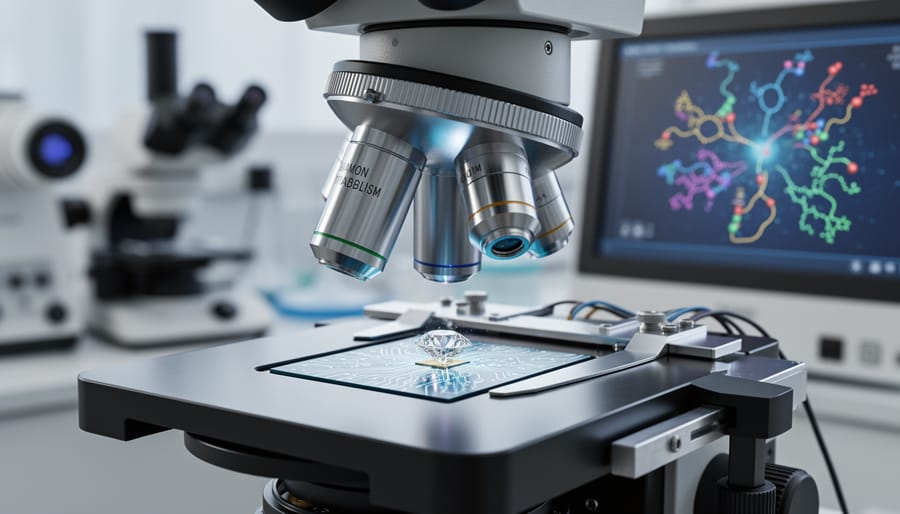
The quantum sensors enabling metabolic detection operate on principles that sound like science fiction but are increasingly practical. At the forefront are nitrogen-vacancy (NV) diamond sensors—tiny imperfections in diamond crystals that behave like quantum radar systems for biological processes.
Think of NV centers as extraordinarily sensitive compasses that detect magnetic fields at the atomic level. When electrons move during metabolic reactions in your cells, they create minuscule magnetic signatures. These diamond sensors can detect those signatures without invasive procedures, potentially measuring how efficiently your mitochondria produce energy or how your cells consume glucose—all from outside your body.
Quantum dots represent another breakthrough technology. These semiconductor nanocrystals are so small that quantum effects dominate their behavior. Scientists use them as luminescent markers that attach to specific metabolic molecules. When illuminated, they emit light at precise wavelengths that change based on their chemical environment. This allows researchers to track metabolic pathways in real-time, observing how nutrients transform into energy with unprecedented clarity.
Other emerging technologies include superconducting quantum interference devices (SQUIDs) that measure brain metabolism and atomic magnetometers that track iron levels and oxygen consumption in tissues. These aren’t theoretical concepts—research labs are already using them to study cancer metabolism, neurological disorders, and cellular aging.
The practical advantage? Traditional metabolic testing requires blood draws or tissue samples. Quantum sensors promise non-invasive monitoring, potentially transforming your smartphone into a metabolic health scanner within the next decade.
AI Platforms Leading the Metabolic Revolution
Several pioneering organizations are at the forefront of integrating AI with metabolic health, transforming how we understand and optimize our bodies’ energy systems.
Levels Health has emerged as a consumer-facing leader, combining continuous glucose monitors with AI algorithms that learn individual metabolic responses to food, exercise, and sleep. Their platform analyzes thousands of data points to provide personalized recommendations, helping users understand why a morning banana might spike their blood sugar while an afternoon apple doesn’t.
In the research realm, the Broad Institute of MIT and Harvard is developing machine learning models that predict metabolic dysfunction years before traditional symptoms appear. Their AI systems analyze genetic data alongside metabolic markers, identifying subtle patterns that human researchers might miss. This work mirrors advances in AI drug discovery, where algorithms detect complex biological relationships.
January AI takes a different approach, using computer vision and machine learning to predict glucose responses from smartphone photos of meals. Users simply snap a picture of their plate, and the AI estimates how their metabolism will react based on their personal metabolic profile built from previous meals and sensor data.
Meanwhile, Nutrisense combines wearable sensors with AI-powered coaching, where algorithms flag concerning metabolic patterns and alert human dietitians who then provide context-specific guidance. This hybrid human-AI model demonstrates how technology augments rather than replaces human expertise in healthcare optimization.
Real-World Applications: What Quantum Metabolic Can Do for You
Precision Nutrition at the Molecular Level
Imagine two people eating identical meals—a salmon salad with quinoa and avocado. One person’s body efficiently converts the omega-3s into energy while stabilizing blood sugar. The other experiences inflammation and a glucose spike. Why? Their metabolic machinery operates differently at the molecular level.
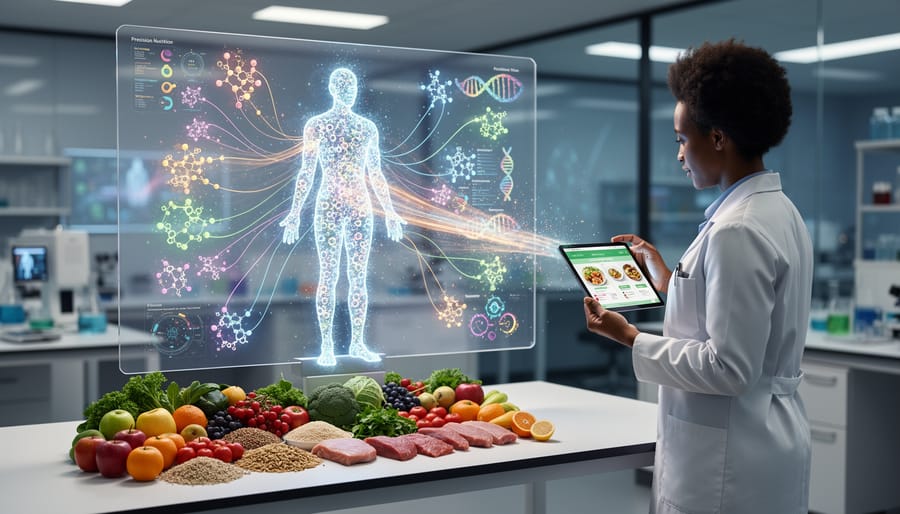
This is where quantum metabolic insights transform nutrition from guesswork into precision science. Traditional dietary advice treats everyone the same: “eat more vegetables” or “reduce carbs.” But quantum sensors can measure how your specific cells respond to individual nutrients in real-time, revealing your unique metabolic fingerprint.
For example, quantum-enhanced AI nutrition analysis can detect that your mitochondria struggle to process certain fatty acids, or that your gut microbiome thrives on particular fiber types. These aren’t generalizations—they’re measurements of actual molecular reactions happening inside you.
The result? Dietary recommendations tailored to your biology. Instead of “eat fish twice weekly,” you might learn that wild-caught mackerel at breakfast optimizes your specific energy production, while farm-raised salmon triggers inflammatory markers. This level of personalized healthcare moves beyond DNA testing to capture how your body actually functions today, accounting for factors like stress, sleep, and current health status that static genetic tests miss entirely.
Early Detection of Metabolic Disorders
Quantum metabolic monitoring works by detecting subtle biochemical shifts at the molecular level—changes so small they often slip past standard blood tests. Think of it as catching whispers before they become shouts.
For diabetes detection, quantum sensors can identify irregular glucose metabolism patterns weeks or even months before blood sugar levels cross clinical thresholds. These systems track how glucose molecules interact with cellular receptors at quantum scales, revealing insulin resistance in its earliest stages. One research prototype successfully flagged pre-diabetic conditions in participants whose conventional A1C tests still appeared normal.
Thyroid dysfunction becomes visible through quantum analysis of hormone signaling patterns. AI algorithms monitor how thyroid hormones bind to receptors and trigger cellular responses. By measuring these quantum-level interactions, the technology can detect hypothyroidism or hyperthyroidism when hormone levels hover in the “gray zone” where traditional lab work remains inconclusive.
Metabolic syndrome—a cluster of conditions including high blood pressure, abnormal cholesterol, and abdominal fat—emerges through characteristic quantum signatures in lipid metabolism and inflammatory markers. AI systems learn to recognize these patterns by analyzing millions of molecular interactions simultaneously, creating early-warning profiles that conventional medicine simply cannot see yet.
This isn’t science fiction—several research institutions are currently testing quantum metabolic sensors in clinical trials, moving us closer to truly preventive healthcare.
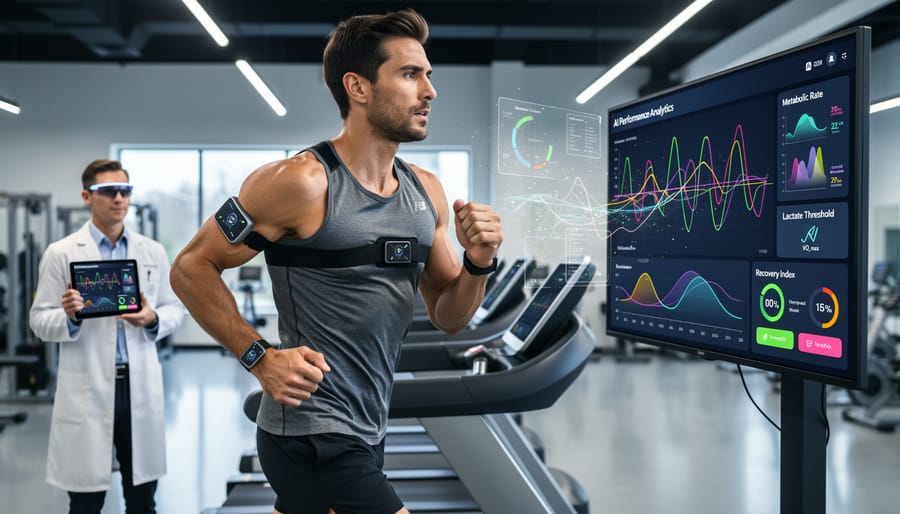
Optimizing Athletic Performance and Recovery
For athletes and fitness enthusiasts, quantum metabolic tracking represents a game-changing approach to performance optimization. Instead of relying on generic training plans, AI-powered metabolic monitoring analyzes your body’s energy production at the cellular level, providing personalized insights that adapt in real-time.
Consider a marathon runner preparing for competition. Traditional methods might recommend carb-loading based on general guidelines, but quantum metabolic systems analyze how efficiently your mitochondria convert nutrients into usable energy. The AI tracks patterns like lactate threshold changes, recovery rates between intervals, and optimal fueling windows specific to your metabolism. This means you’ll know exactly when to push harder and when your body needs rest, preventing overtraining and injuries.
Professional cycling teams already use similar technologies to monitor riders during Grand Tours. Sensors collect metabolic data during training and competition, while machine learning algorithms identify fatigue markers before performance drops. The system might recommend adjusting tomorrow’s workout intensity or tweaking your post-ride nutrition based on how your cells are actually recovering, not just how you feel.
Even recreational athletes benefit from understanding their metabolic fingerprint. The technology reveals whether you’re a fat-burner or carb-dependent during exercise, helping you fuel appropriately and potentially breaking through performance plateaus that standard approaches couldn’t solve.
The Challenges and Limitations We Need to Talk About
While quantum metabolic technology sounds revolutionary, we need to address the elephant in the room: it’s still largely in the experimental phase, and several significant hurdles stand between today’s research and tomorrow’s widespread adoption.
The cost barrier is perhaps the most immediate challenge. Current quantum metabolic analysis requires expensive equipment, often specialized laboratory facilities, and trained professionals to interpret results. Unlike a simple fitness tracker you can buy for under $100, accessing these technologies might cost thousands of dollars per session, placing them firmly out of reach for average consumers.
Data privacy presents another thorny issue. Quantum metabolic systems generate incredibly detailed biological information about your body at the molecular level. This data is far more sensitive than your daily step count or sleep patterns. Who owns this information? How is it stored? Could insurance companies or employers access it? These questions currently lack clear regulatory answers, creating legitimate concerns about how your most intimate health data might be used or potentially misused.
The accessibility gap extends beyond cost. Right now, quantum metabolic technology exists primarily in research institutions and select medical centers in major metropolitan areas. If you live outside these hubs, you simply cannot access these services, regardless of your ability to pay.
There’s also a significant validation gap. While preliminary research shows promise, we don’t yet have the extensive long-term studies that would confirm whether quantum metabolic insights actually lead to better health outcomes compared to conventional approaches. The technology is advancing faster than our ability to rigorously test its real-world effectiveness.
Finally, translating complex quantum data into actionable recommendations remains challenging. The AI algorithms that interpret this information are still learning, and they occasionally produce recommendations that contradict established nutritional science or oversimplify intricate biological processes. We’re still bridging the gap between fascinating data and genuinely useful guidance that improves daily health decisions.
What’s Coming Next: The Future of AI-Enhanced Metabolic Health
The convergence of AI and metabolic health is still in its early chapters, but the story ahead promises remarkable developments. Within the next 5-10 years, we’ll likely see personalized metabolic AI assistants become as common as fitness trackers are today. Imagine a wearable device that doesn’t just count your steps but actually predicts how your body will respond to that slice of pizza based on your unique metabolic signature, current stress levels, and recent sleep patterns.
One exciting frontier is the integration of advanced biosensors with AI prediction models. Researchers are developing non-invasive sensors that can continuously monitor multiple metabolic markers simultaneously, feeding this data into AI systems that learn your body’s rhythms better than you know them yourself. This means real-time nutritional guidance tailored to your metabolism at any given moment, not generic advice from a standard chart.
The pharmaceutical industry is also taking notice. AI-powered metabolic profiling could revolutionize how doctors prescribe medications, ensuring treatments align with individual metabolic responses rather than following one-size-fits-all protocols. Early trials suggest this approach could reduce side effects and improve outcomes dramatically.
For those eager to participate in this revolution, the pathway is straightforward. Start by exploring current metabolic tracking apps and continuous glucose monitors to understand your baseline. Stay informed about emerging research, and consider participating in citizen science projects that crowdsource metabolic data for AI training. Universities and health-tech startups regularly seek volunteers for metabolic studies.
The key preparation isn’t technological mastery but metabolic literacy. Understanding how your body processes energy, responds to stress, and maintains balance will position you to make the most of these powerful AI tools as they mature and become accessible to everyone.
The intersection of quantum biology and AI-powered metabolic monitoring represents more than just a technological curiosity—it’s opening doors to a fundamentally different understanding of human health. While we’re still in the early stages of this revolution, the trajectory is unmistakable: personalized health optimization is moving from reactive treatment to predictive, precision wellness.
For those eager to explore this field, the path forward is both exciting and accessible. Start by familiarizing yourself with wearable metabolic devices currently available, even if they don’t yet incorporate full quantum sensing capabilities. These tools provide valuable baseline data about your metabolic patterns. Pay attention to emerging research from institutions exploring quantum effects in photosynthesis, enzyme reactions, and cellular energy production—these discoveries often translate into practical applications within a few years.
Stay engaged with the AI health technology community through reputable scientific publications and tech forums. The landscape changes rapidly, with new breakthroughs in machine learning algorithms and biosensor technology announced regularly. Consider how your own expertise might contribute to this interdisciplinary field, whether through data science, biology, engineering, or even ethical frameworks for health AI.
Most importantly, maintain healthy skepticism alongside your enthusiasm. Question bold claims, seek peer-reviewed evidence, and remember that the most powerful health interventions often combine cutting-edge technology with time-tested principles: quality nutrition, consistent sleep, regular movement, and stress management. Quantum metabolic monitoring will amplify these foundations, not replace them.