

Network infrastructure is drowning in complexity. Every day, enterprises manage thousands of devices, millions of data packets, and countless potential points of failure. Traditional network management tools struggle to keep pace, forcing IT teams into a reactive cycle of troubleshooting and firefighting. Zero-touch, Intelligence-driven, and Fabric-based Artificial Intelligence for IT Operations—ZIF AIOps—represents a fundamental shift in how networks adapt, heal, and optimize themselves.
Picture a network that predicts problems before they occur, automatically reroutes traffic around congestion, and learns from every interaction to become smarter over time. ZIF AIOps makes this vision tangible by combining three essential elements: zero-touch automation that eliminates manual configuration, intelligence-driven analytics that transform raw data into actionable insights, and fabric-based architecture that treats the entire network as a unified, programmable entity. Rather than adding another monitoring tool to your stack, ZIF AIOps orchestrates your network infrastructure as a living system that continuously evolves.
The practical impact extends far beyond buzzwords. Organizations implementing ZIF AIOps report reducing network outages by up to 80%, cutting mean time to resolution from hours to minutes, and freeing network engineers from routine maintenance to focus on strategic initiatives. This technology matters now because modern applications—from cloud services to IoT deployments—demand network performance that human operators simply cannot deliver manually.
Whether you’re a network administrator evaluating next-generation tools, a technology student exploring emerging infrastructure trends, or a business leader seeking competitive advantage through digital transformation, understanding ZIF AIOps provides crucial insight into the future of intelligent, self-managing networks. The question isn’t whether AI will transform network operations, but how quickly your organization can harness its potential.
What ZIF AIOps Actually Means (Without the Buzzwords)

The Building Blocks: AI, Automation, and Network Operations
Traditional IT operations work like a fire department responding to emergencies. When something breaks, alarms sound, teams scramble, and everyone works frantically to put out the fire. It’s reactive, stressful, and often means your users experience problems before solutions arrive.
AI-driven operations flip this script entirely. Think of it like having a weather prediction system that warns you about storms days in advance, giving you time to prepare rather than scrambling for sandbags when water’s already flooding your door.
At its core, automation handles repetitive tasks that would otherwise consume valuable human time. It’s the difference between manually checking hundreds of servers every hour versus having systems that continuously monitor themselves. Automation is your tireless assistant that never needs coffee breaks.
AI takes this several steps further by learning patterns that humans might miss. Imagine reviewing thousands of data points to spot a subtle trend versus having intelligent systems that recognize when normal network behavior starts shifting toward potential failure. AI doesn’t just follow instructions; it adapts, predicts, and makes intelligent decisions based on what it learns.
When you combine AI with network operations, you create systems that understand their own health. They detect anomalies before they become outages, automatically route around problems, and continuously optimize performance. It’s like upgrading from reading a map to having an intelligent GPS that not only shows you the route but predicts traffic, suggests alternatives, and learns your preferences over time.
Why ‘Orchestrated’ and ‘Adaptive’ Matter
In modern network management, orchestration isn’t about conducting a symphony—it’s about coordinating multiple automated tasks to work seamlessly together. AI orchestration in ZIF AIOps means intelligently coordinating security policies, traffic routing, and resource allocation across your entire network infrastructure without human intervention.
Think of it like a smart home system. When you say “goodnight,” your lights dim, doors lock, and thermostat adjusts—all automatically. ZIF AIOps does something similar for networks, but with far more complexity. When it detects unusual traffic patterns, it simultaneously analyzes threats, reroutes traffic, updates firewall rules, and notifies relevant teams—all within milliseconds.
The adaptive component is equally crucial. Traditional networks follow rigid, predetermined rules. But modern cyber threats and user demands change constantly. Consider how Netflix adapts video quality based on your internet speed, or how Google Maps reroutes you around accidents. ZIF AIOps applies this same adaptability to network operations.
For example, during a sudden traffic spike from a marketing campaign, an adaptive system automatically allocates more bandwidth and computing resources to handle the load. If it detects a potential security breach, it can isolate affected systems while maintaining service for legitimate users.
This combination of orchestration and adaptability transforms networks from static infrastructure into intelligent, responsive systems that evolve with your organization’s needs.
The Intelligence Behind Self-Adjusting Networks
Pattern Recognition: Teaching Networks to Learn From Experience
Think of ZIF AIOps as a security guard who learns the daily rhythms of a building. After watching people come and go for weeks, the guard recognizes normal patterns: the janitor arrives at 6 AM, employees trickle in around 9 AM, and the building empties by 6 PM. When someone tries entering at 3 AM, the guard immediately notices because it breaks the established pattern.
ZIF AIOps works similarly within adaptive infrastructure, using machine learning algorithms to establish baselines of normal network behavior. During an initial learning period, the system observes thousands of data points: traffic volumes, connection speeds, error rates, bandwidth usage patterns, and device communication frequencies. It notes that your video conferencing application typically consumes 2-5 megabits per second during business hours, or that your database servers exchange specific volumes of data at scheduled intervals.
Once trained, the system continuously compares real-time activity against these learned patterns. Here are concrete examples of what it detects:
Traffic anomalies: When a device suddenly sends 100 times its normal data volume, potentially indicating a security breach or malfunctioning application.
Timing irregularities: Database backups occurring at unusual hours might signal unauthorized access attempts.
Connection behavior: A workstation connecting to dozens of unfamiliar external servers could indicate malware infection.
Performance degradation: Gradual increases in response times that humans might miss but suggest hardware failures or capacity issues developing.
The beauty of this approach lies in its ability to catch problems humans would overlook. While IT teams might notice obvious failures, ZIF AIOps identifies subtle deviations that often precede major incidents, enabling proactive responses rather than reactive firefighting.
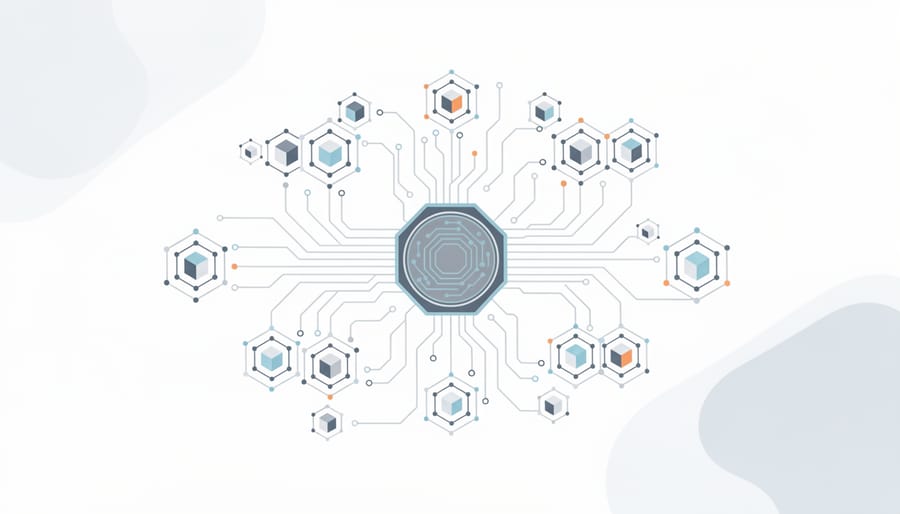
Predictive Analytics: Fixing Problems Before They Happen
Imagine it’s 2 a.m., and your company’s e-commerce platform is humming along perfectly. But behind the scenes, ZIF AIOps has detected something unusual: a database server’s response time has increased by just 3 milliseconds. To human operators, this tiny change would go unnoticed. But the system recognizes a pattern it has seen before—one that led to a complete server crash six months ago.
Instead of waiting for disaster to strike, ZIF AIOps springs into action. It automatically reallocates server resources, adjusts traffic routing, and triggers a backup system to stand ready. By the time your morning team arrives at the office, they receive a simple notification: “Potential failure predicted and prevented. No action required.”
This is predictive analytics in action. Unlike traditional monitoring systems that simply alert you when something breaks, ZIF AIOps uses machine learning algorithms to recognize warning signs long before problems become critical. Think of it as having a weather forecast for your IT infrastructure—you can pack an umbrella before the storm hits.
Consider a real-world scenario: A streaming service using ZIF AIOps noticed the system consistently predicted bandwidth congestion 30 minutes before major sporting events. The platform learned viewer behavior patterns and automatically scaled up resources in advance. The result? Zero buffering complaints during peak usage, and the IT team could finally enjoy game night without keeping laptops nearby.
The beauty of predictive analytics lies in its continuous learning. Each prevented incident teaches the system to become more accurate, creating a self-improving cycle that transforms reactive firefighting into proactive problem prevention. Your infrastructure becomes smarter with every day of operation.
Real-World Applications: Where ZIF AIOps Makes a Difference
Automated Incident Response and Resolution
One of the most impressive capabilities of ZIF AIOps is its ability to spot problems and fix them before you even notice something’s wrong. Think of it as having a vigilant technician monitoring your network 24/7, except this one never needs coffee breaks or sleep.
Here’s how it works in practice: ZIF AIOps continuously analyzes network traffic patterns, device performance metrics, and user behavior. When it detects an anomaly—like unusual bandwidth consumption or a device behaving strangely—it doesn’t just send an alert. Instead, it springs into action.
For example, imagine a network switch begins overheating due to excessive traffic. Traditional systems would wait for IT staff to notice the problem, investigate, and implement a fix. ZIF AIOps, however, immediately recognizes the abnormal temperature spike, identifies the traffic bottleneck causing it, and automatically reroutes data through alternative pathways. The switch cools down, performance stabilizes, and users continue working without interruption.
Other common scenarios include automatically isolating compromised devices showing signs of malware infection, rebalancing network loads when specific segments become congested, and adjusting bandwidth allocation based on real-time application demands. When a server connection drops unexpectedly, the system can automatically failover to backup connections while simultaneously diagnosing the root cause.
This self-healing capability dramatically reduces downtime and frees IT teams to focus on strategic improvements rather than firefighting daily incidents. The system learns from each resolved incident, continuously improving its response strategies over time.

Dynamic Resource Allocation During Peak Demand
Imagine it’s Black Friday, and an e-commerce website suddenly experiences ten times its normal traffic. Without intelligent resource management, the site could crash, costing millions in lost sales. This is where ZIF AIOps shines through dynamic resource allocation.
The system continuously monitors network traffic patterns in real-time, identifying where demand is surging. When Netflix users start streaming the latest hit series at 8 PM, or when gamers flood online servers during a new game launch, ZIF AIOps instantly detects these spikes. Rather than applying fixed rules, it makes intelligent decisions about redistributing bandwidth, processing power, and storage capacity to where they’re needed most.
Think of it like a smart traffic controller at a busy intersection. During morning rush hour, it gives more green-light time to the main roads. Similarly, ZIF AIOps automatically shifts resources from low-activity areas to high-demand services. It might allocate extra bandwidth to video streaming applications while temporarily reducing resources for background data syncing that can wait.
This automatic rebalancing happens in milliseconds, ensuring users experience smooth performance without manual intervention from network administrators. The system learns from each demand spike, continuously improving its predictive capabilities for future events.
Security Threat Detection and Response
In modern networks, security threats evolve constantly, making traditional reactive defenses inadequate. ZIF AIOps transforms security by enabling AI-powered security threat detection that operates proactively in real-time.
Think of it as having an intelligent security guard who never sleeps. The AI continuously analyzes network traffic patterns, user behaviors, and system activities across thousands of data points simultaneously. When something unusual occurs—like an unauthorized access attempt or suspicious data transfer—the system instantly recognizes the anomaly.
Here’s where orchestration becomes crucial. Instead of simply alerting human operators, ZIF AIOps automatically coordinates responses across multiple security layers. For example, if malware is detected on one device, the system can immediately isolate that endpoint, block related IP addresses, update firewall rules, and scan connected devices—all within seconds.
This proactive approach means threats are often neutralized before causing damage, significantly reducing your organization’s vulnerability window and keeping network infrastructure secure.
The Technology Stack: What Powers Adaptive Networks
Data Collection and Monitoring Tools
Think of data collection tools in AIOps as the nervous system of your network infrastructure. Just like your body has millions of sensors detecting temperature, pressure, and pain, ZIF AIOps relies on various monitoring systems to understand what’s happening across your digital environment.
These tools include sensors that track server performance, network traffic monitors that watch data flowing between systems, and log collectors that record every significant event. Telemetry systems act like fitness trackers for your infrastructure, continuously measuring vital signs such as CPU usage, memory consumption, and response times.
The beauty of modern monitoring lies in its comprehensiveness. Application Performance Monitoring (APM) tools observe how software behaves from the user’s perspective, while infrastructure monitors check the health of underlying hardware. Network packet analyzers examine data flowing through your systems like doctors examining blood flow.
All this information streams into the AI engine in real-time, creating a complete picture of your digital ecosystem. The AI doesn’t just collect this data—it correlates patterns across different sources, identifying subtle connections that human operators might miss. When a sensor detects unusual behavior, the AI engine immediately contextualizes it against thousands of other data points, enabling rapid, intelligent responses to potential issues.
The AI Decision-Making Engine
At the heart of ZIF AIOps lies a sophisticated decision-making engine that transforms raw network data into intelligent actions. Think of it as a digital brain that constantly monitors your network’s pulse, identifying patterns and anomalies that human operators might miss.
The process begins with data collection from multiple sources: traffic logs, performance metrics, security alerts, and user behavior patterns. Rather than drowning administrators in spreadsheets and graphs, the AI engine applies machine learning algorithms to spot meaningful correlations. For example, it might notice that every time a specific application updates, server response times spike by 30%. Traditional monitoring would simply flag the slowdown, but ZIF AIOps connects the dots and learns the pattern.
What makes this engine truly powerful is its ability to predict and prevent issues before they impact users. When the system detects unusual traffic patterns that historically preceded outages, it can automatically reroute data, allocate additional resources, or alert administrators with specific recommendations. This AI network processing happens in milliseconds, far faster than any manual response.
The outcome? Networks that essentially manage themselves, learning from every incident and continuously improving their responses over time.
Automation and Execution Layer
Once the AI layer makes decisions, the automation and execution layer springs into action, translating intelligence into real network changes. Think of it as the hands that follow the brain’s commands.
In practice, this means immediate, autonomous responses to network conditions. When the system detects congestion on a particular path, it automatically reroutes traffic through less crowded channels within milliseconds. If a security threat emerges, the automation layer can instantly isolate affected network segments, update firewall rules, and deploy protective measures before human operators even receive an alert.
The beauty lies in the speed and consistency. Where manual changes might take minutes or hours and risk human error, automated execution happens in seconds with precision. For example, during a traffic spike, the system can automatically scale bandwidth allocation, adjust quality of service parameters, and rebalance loads across multiple servers simultaneously. These coordinated actions happen seamlessly in the background, maintaining network performance without requiring constant human intervention.
Benefits That Matter: Why Organizations Are Making the Switch

Reduced Downtime and Faster Problem Resolution
When networks experience issues, every minute counts. ZIF AIOps dramatically cuts downtime by identifying and resolving problems before they impact users. Think of it like a smoke detector that not only alerts you to danger but also activates the sprinkler system automatically.
Traditional IT teams might take hours to diagnose a network slowdown, sifting through logs and testing components manually. With ZIF AIOps, that same problem gets detected and fixed in minutes—sometimes seconds. Studies show organizations using AIOps reduce mean time to resolution (MTTR) by up to 90%, transforming a three-hour outage into a brief hiccup users barely notice.
The technology achieves this through continuous monitoring and predictive analysis. When a database server starts showing unusual memory patterns at 2 AM, the system doesn’t wait for morning reports—it immediately reroutes traffic, scales resources, or alerts the right specialist with detailed diagnostics already prepared. This proactive approach means businesses maintain the 99.9% uptime that modern customers expect.
Cost Savings Through Efficiency
ZIF AIOps delivers substantial cost savings by eliminating manual intervention in network management. Traditional operations require dedicated teams to monitor systems 24/7, respond to incidents, and perform routine maintenance tasks. With intelligent automation handling these responsibilities, organizations can reallocate human resources to strategic initiatives rather than repetitive troubleshooting.
Resource optimization represents another key financial benefit. The system continuously analyzes network performance patterns, identifying underutilized infrastructure and preventing overprovisioning. For example, a mid-sized enterprise reduced server costs by 35% after AIOps identified redundant capacity and optimized workload distribution across existing hardware.
Energy consumption decreases significantly as well. By automatically adjusting network resources based on real-time demand, ZIF AIOps prevents the waste associated with running unnecessary equipment at full capacity during low-traffic periods. This intelligent scaling translates directly to lower utility bills and reduced environmental impact.
Scalability Without Complexity
Traditional network management follows a frustrating pattern: double your infrastructure, and you might triple your management workload. ZIF AIOps breaks this cycle entirely. Think of it like the difference between manually watering individual plants versus installing a smart irrigation system that adapts to each plant’s needs automatically.
In adaptive networks powered by ZIF AIOps, growth happens organically. When you add new devices, servers, or network segments, the AI immediately recognizes them, learns their behavior patterns, and integrates them into existing monitoring frameworks without manual configuration. A company expanding from 100 to 1,000 devices doesn’t need to hire proportionally more network administrators because the AI handles the increased complexity behind the scenes.
The secret lies in self-learning algorithms that establish baselines automatically. Rather than setting up rules for every possible scenario across hundreds of new endpoints, the system observes, adapts, and manages independently. This means your three-person IT team can oversee enterprise-scale infrastructure that would traditionally require a department of specialists.
Challenges and Considerations: What You Need to Know
The Data Quality Foundation
Think of AIOps as a chef creating a sophisticated dish. Even with the finest cooking techniques and AI-powered kitchen tools, the meal will disappoint if you start with spoiled ingredients. The same principle applies to ZIF AIOps—your artificial intelligence is only as reliable as the data feeding it.
Clean, comprehensive data forms the foundation that makes intelligent network decisions possible. This means collecting accurate metrics from every network device, maintaining consistent formatting across different data sources, and ensuring information arrives in real-time without gaps or delays. When your AIOps system receives high-quality data, it can spot genuine anomalies, predict actual problems, and suggest meaningful solutions.
Without this solid foundation, things quickly unravel. Imagine your AIOps platform receiving incomplete server logs or outdated performance metrics. It might trigger false alarms about non-existent problems, wasting your team’s time investigating phantom issues. Worse yet, it could miss real threats lurking in the blind spots created by poor data collection. Organizations rushing to implement AIOps without first establishing proper data pipelines often find themselves with expensive tools that generate more confusion than clarity—a scenario that defeats the entire purpose of intelligent automation.
Integration With Existing Infrastructure
One of the biggest concerns for organizations considering ZIF AIOps is how well it plays with their current technology stack. The good news? Modern ZIF AIOps solutions are designed with integration in mind.
Think of ZIF AIOps as a thoughtful houseguest that adapts to your home rather than demanding you redecorate. Most platforms support standard network protocols and can connect with existing monitoring tools, ticketing systems, and configuration management databases through APIs. This means you don’t need to rip and replace your entire infrastructure overnight.
For organizations running legacy systems, a phased migration approach works best. Start by implementing ZIF AIOps in a non-critical network segment, perhaps your development environment. This allows your team to learn the system and build confidence before expanding to production networks. Many organizations run ZIF AIOps alongside their traditional monitoring tools during a transition period, gradually shifting responsibilities as they validate results.
The platform typically integrates with popular tools like ServiceNow, Splunk, and major cloud providers, creating a unified view of your network health. Container-based deployments and microservices architecture mean you can scale gradually, adding capabilities as your team’s expertise grows without disrupting day-to-day operations.
Getting Started: Pathways to Adaptive Network Infrastructure
Ready to explore ZIF AIOps for your organization or learning journey? Here’s how different audiences can take their next steps.
For IT professionals looking to implement adaptive network infrastructure, start by evaluating your current network monitoring capabilities. Many organizations begin with pilot programs that integrate AI-powered analytics into existing systems before committing to full-scale transformation. Look for platforms that offer machine learning models specifically designed for network anomaly detection and automated response orchestration. Industry conferences, vendor demonstrations, and professional certification courses in AI operations provide hands-on exposure to these technologies.
Students and technology enthusiasts can build foundational knowledge through online courses covering network fundamentals, machine learning basics, and cloud infrastructure. Free resources like GitHub repositories often showcase open-source AIOps projects where you can examine real code implementations. Virtual labs and sandbox environments let you experiment with network simulation tools without requiring expensive infrastructure.
For business decision-makers, attending industry webinars and case study presentations helps illustrate the return on investment potential. Connect with vendors offering proof-of-concept trials to see how zero-intervention frameworks might address your specific operational challenges. Speaking with peers who’ve implemented similar solutions provides valuable insights into implementation timelines and change management strategies.
Regardless of your starting point, joining online communities focused on AIOps creates opportunities to ask questions, share experiences, and stay current with evolving technologies. Subscribe to technology newsletters covering artificial intelligence in infrastructure management, and follow thought leaders who regularly discuss adaptive network innovations. Remember, ZIF AIOps represents an ongoing evolution rather than a destination, so continuous learning ensures you remain at the forefront of this transformative field.
The emergence of ZIF AIOps represents a fundamental transformation in how we approach network infrastructure management. By combining zero-intervention frameworks with artificial intelligence operations, organizations can move beyond the constant firefighting of reactive troubleshooting toward truly intelligent, self-managing systems that anticipate and resolve issues before users ever notice them.
This shift isn’t just about convenience or cost savings, though both are significant benefits. It’s about reimagining what’s possible when networks can learn, adapt, and optimize themselves in real-time. As traffic patterns shift, as new applications come online, and as security threats evolve, ZIF AIOps systems continuously adjust to maintain peak performance without human intervention.
For technology professionals and enthusiasts alike, this field offers exciting opportunities to explore how machine learning algorithms translate into tangible infrastructure improvements. Whether you’re a student considering career paths or a professional looking to stay ahead of industry trends, understanding ZIF AIOps provides valuable insight into the future of network operations.
The journey toward fully autonomous networks is still unfolding, with new innovations emerging regularly. By staying curious and engaged with these developments, you’ll be well-positioned to participate in shaping the next generation of intelligent infrastructure management.