

Sustainable agriculture stands at the intersection of technology, environmental stewardship, and food security, revolutionizing how we feed a growing global population while protecting our planet’s resources. Through the implementation of smart sustainable practices, modern farming aims to achieve three fundamental goals: maximizing resource efficiency, preserving ecological balance, and ensuring long-term economic viability for farmers.
Today’s agricultural innovations, powered by artificial intelligence and precision technology, enable farmers to produce more food with fewer inputs while actively regenerating soil health and biodiversity. These solutions address critical challenges like water scarcity, climate change, and food waste through data-driven decision-making and automated farming systems.
As we face unprecedented environmental challenges, understanding the goals of sustainable agriculture becomes essential not just for farmers, but for technologists, policymakers, and consumers alike. These objectives shape how we develop and implement new farming technologies, ensuring that agricultural advancement aligns with both environmental preservation and economic growth.
Resource Conservation and Efficiency
Water Management and Conservation
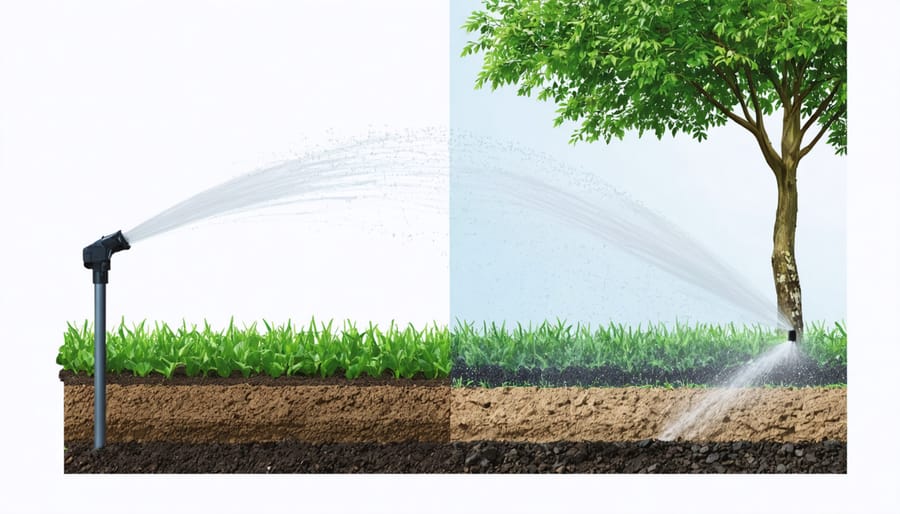
Modern agriculture is embracing AI-powered solutions to revolutionize water management and conservation practices. Smart irrigation systems equipped with machine learning algorithms analyze real-time soil moisture data, weather forecasts, and crop water requirements to deliver precise amounts of water when and where needed. These systems can reduce water consumption by up to 30% while maintaining optimal crop growth.
Sensors deployed across fields continuously monitor soil moisture levels, temperature, and humidity. This data feeds into AI models that create detailed water requirement maps, enabling farmers to make data-driven decisions about irrigation scheduling. The technology can detect leaks, predict maintenance needs, and automatically adjust water distribution based on changing environmental conditions.
Precision irrigation technologies, such as drip systems controlled by AI, ensure water reaches plant roots directly, minimizing waste through evaporation and runoff. These systems can also integrate with weather prediction models to postpone irrigation before expected rainfall, further optimizing water usage.
Advanced computer vision systems monitor crop health and water stress levels by analyzing aerial imagery and spectral data. When signs of water stress are detected, the AI system can automatically adjust irrigation patterns or alert farmers to potential issues before crop damage occurs.
By combining these technologies with traditional conservation practices like mulching and crop rotation, farmers can significantly improve their water use efficiency while maintaining or increasing crop yields.
Energy Efficiency and Renewable Integration
Modern farming operations are increasingly embracing sustainable energy solutions to reduce their environmental impact and operational costs. Smart energy management systems are revolutionizing agricultural practices by optimizing power consumption across farm operations. These systems use AI-powered sensors to monitor and adjust energy usage in real-time, ensuring equipment runs efficiently and only when necessary.
Solar panels, wind turbines, and biomass systems are becoming common sights on farms worldwide, helping reduce dependency on fossil fuels. AI technology plays a crucial role in maximizing the effectiveness of these renewable energy sources by predicting weather patterns and adjusting energy collection and storage accordingly. For instance, smart irrigation systems can automatically schedule watering during off-peak energy hours or when solar power is most abundant.
Energy-efficient greenhouse operations utilize intelligent climate control systems that optimize heating, cooling, and lighting based on crop needs and environmental conditions. These systems can reduce energy consumption by up to 30% while maintaining optimal growing conditions. Additionally, waste-to-energy solutions are gaining popularity, converting agricultural byproducts into biogas or biofuel, creating a closed-loop energy system that supports farm sustainability.
By implementing these smart energy management practices and renewable technologies, farmers can significantly reduce their carbon footprint while improving their bottom line through reduced energy costs.
Environmental Protection and Biodiversity
Soil Health Management
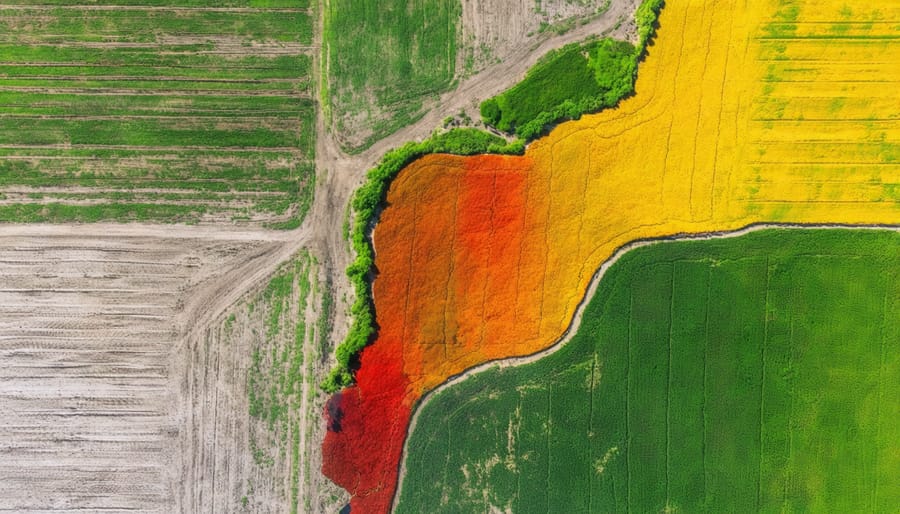
Modern agriculture is leveraging AI-powered technologies to revolutionize soil health management, making it possible to achieve the goal of feeding more while using less resources. Smart soil sensors equipped with machine learning capabilities now continuously monitor crucial parameters like moisture levels, nutrient content, and pH balance in real-time, providing farmers with actionable insights through user-friendly mobile apps.
These intelligent systems analyze soil data patterns to predict potential issues before they become problems, enabling preventive rather than reactive farming practices. For instance, AI algorithms can detect early signs of soil degradation, nutrient deficiencies, or excessive salt content, allowing farmers to make targeted interventions that preserve soil health while minimizing resource usage.
Precision agriculture robots, guided by AI, can now deliver exactly the right amount of water, fertilizers, and amendments to specific areas of fields based on soil analysis data. This targeted approach not only reduces waste but also helps maintain optimal soil conditions for crop growth while minimizing environmental impact.
Machine learning models also help farmers develop customized crop rotation schedules and cover cropping strategies by analyzing soil health trends and local climate data. This data-driven approach ensures sustainable soil management practices that enhance organic matter content, improve soil structure, and promote beneficial microbial activity, creating a more resilient agricultural system for the future.
Ecosystem Preservation
Modern AI technologies are revolutionizing ecosystem preservation in sustainable agriculture, offering sophisticated solutions for protecting biodiversity and natural habitats. Smart monitoring systems, powered by computer vision and deep learning algorithms, can track wildlife movements, identify endangered species, and assess habitat health in real-time without disturbing the natural environment.
Farmers are now using AI-enabled drones and sensors to create detailed biodiversity maps, helping them understand how their agricultural practices impact local ecosystems. These systems can detect changes in plant species composition, soil health, and water quality, allowing for quick adjustments to farming methods that might threaten local flora and fauna.
Precision agriculture techniques, enhanced by machine learning, enable farmers to minimize their environmental footprint while maintaining productive farmland. AI algorithms can determine optimal buffer zones between croplands and natural habitats, suggest wildlife corridors, and identify areas that should be preserved for native species.
The technology also helps in pest management by distinguishing between harmful and beneficial insects, reducing the need for broad-spectrum pesticides that could damage the ecosystem. Smart systems can predict pest outbreaks and suggest targeted, environmentally friendly interventions that protect both crops and beneficial organisms.
Through these AI applications, farmers can achieve a delicate balance between agricultural productivity and ecosystem preservation, ensuring that farming practices support rather than harm local biodiversity.
Economic Viability and Food Security
Yield Optimization
Modern agriculture is embracing AI-powered solutions to maximize crop yields while maintaining environmental sustainability. These smart farming techniques use data analytics and machine learning to optimize resource usage and increase productivity, as demonstrated by numerous real-world farming success stories.
Precision agriculture technologies now employ AI algorithms to analyze satellite imagery, soil sensors, and weather data to determine optimal planting densities and timing. These systems can predict the perfect moment to plant, irrigate, and harvest crops, reducing waste while maximizing output. Machine learning models also help farmers identify early signs of crop stress, enabling targeted interventions before yields are affected.
Smart irrigation systems use AI to deliver water precisely where and when crops need it, reducing water consumption by up to 30% while maintaining or improving yields. These systems analyze real-time soil moisture data, weather forecasts, and crop growth stages to make intelligent irrigation decisions.
Predictive analytics help farmers anticipate and prepare for changing weather patterns, pest outbreaks, and disease threats. By combining historical data with real-time monitoring, AI systems can recommend preventive measures that protect yields without relying heavily on chemical interventions.
These yield optimization techniques represent a significant shift from traditional farming methods, offering a path to increased food production while reducing environmental impact and resource consumption.
Cost Reduction Strategies
AI technology is revolutionizing cost management in sustainable agriculture by optimizing resource allocation and reducing waste. Smart sensors and machine learning algorithms analyze soil conditions, weather patterns, and crop health in real-time, enabling farmers to make data-driven decisions that minimize input costs while maintaining productivity.
Precision agriculture systems powered by AI help farmers apply exactly the right amount of water, fertilizers, and pesticides where and when needed. This targeted approach not only reduces the overall consumption of these resources but also significantly cuts down operational expenses. For example, AI-driven irrigation systems can reduce water usage by up to 30% while maintaining or even improving crop yields.
Predictive maintenance, another AI application, helps farmers anticipate equipment failures before they occur. By analyzing performance data from agricultural machinery, AI systems can schedule maintenance at optimal times, preventing costly breakdowns and extending equipment lifespan. This proactive approach reduces repair costs and minimizes unexpected downtime during critical farming periods.
AI also optimizes labor costs through automated systems and robots that can handle routine tasks like weeding, harvesting, and monitoring crop health. These systems work continuously and efficiently, reducing the need for manual labor while ensuring consistent quality in agricultural operations.
Energy management systems powered by AI analyze consumption patterns and recommend optimal times for running equipment, helping farmers reduce their energy bills while maintaining sustainable practices.
Social Responsibility and Future Planning
Community Impact
Sustainable agriculture extends far beyond environmental benefits, creating profound positive impacts on local communities. When farmers adopt sustainable practices, they help build more resilient local economies by creating stable jobs and supporting regional food security. These practices often lead to higher employment rates in farming communities, as sustainable farms typically require more skilled labor than conventional operations.
The economic benefits ripple throughout the community. Sustainable farms often participate in farmers’ markets and local food networks, keeping money circulating within the region. This local focus helps establish strong connections between producers and consumers, fostering community relationships and food education opportunities. Many sustainable farms also partner with schools and community organizations to provide educational programs and hands-on learning experiences.
Additionally, sustainable agriculture practices help preserve traditional farming knowledge while incorporating modern innovations. This combination supports cultural heritage while creating new opportunities for young farmers and agricultural entrepreneurs. The reduced use of chemical inputs in sustainable farming also leads to healthier living conditions for farm workers and nearby residents.
These practices contribute to food sovereignty, allowing communities to maintain control over their food production methods and distribution systems. By prioritizing crop diversity and local varieties, sustainable farms help preserve regional food cultures and ensure communities have access to culturally appropriate, nutritious food options that support both their health and traditional ways of life.
Future-Proofing Agriculture
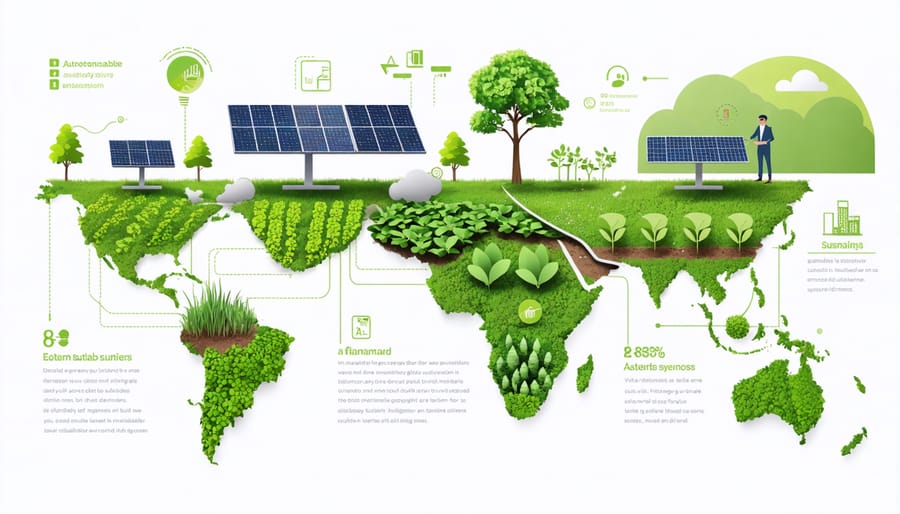
As agriculture faces unprecedented challenges from climate change and growing population demands, artificial intelligence emerges as a crucial tool for future-proofing our food systems. Advanced AI algorithms now analyze climate patterns and predict extreme weather events with remarkable accuracy, allowing farmers to adapt their growing strategies well in advance. These systems process vast amounts of historical and real-time data to suggest optimal planting times, crop rotations, and resource allocation.
Machine learning models are revolutionizing crop breeding by identifying genetic traits that enhance resilience to drought, pests, and diseases. This accelerates the development of climate-resistant varieties that can thrive in changing conditions while maintaining high yields. Smart farming systems, powered by AI, continuously monitor soil health, water levels, and plant stress, enabling precise interventions before problems escalate.
Population growth projections indicate we’ll need to increase food production by 70% by 2050. AI-driven vertical farming and precision agriculture technologies are already helping meet this challenge by optimizing resource use in limited spaces. These systems can produce more food with fewer inputs while minimizing environmental impact.
Furthermore, AI-powered supply chain optimization reduces food waste and ensures efficient distribution, making our food systems more resilient to disruptions. By combining these technologies with traditional farming wisdom, we’re building an agricultural future that’s both productive and sustainable for generations to come.
The goals of sustainable agriculture represent a critical intersection of environmental stewardship, economic viability, and social responsibility. As we’ve explored, these objectives include optimizing resource usage, reducing environmental impact, ensuring food security, and maintaining profitable farming operations. What makes these goals particularly achievable today is the integration of artificial intelligence and smart technologies.
AI-powered solutions are revolutionizing how we approach each of these sustainability targets. From precision farming systems that minimize water and fertilizer use to predictive analytics that help farmers make data-driven decisions, technology is becoming an invaluable ally in sustainable agriculture. Smart sensors and machine learning algorithms are enabling farmers to detect plant diseases earlier, reduce pesticide use, and optimize crop yields while maintaining soil health.
Looking ahead, the success of sustainable agriculture will depend on our ability to balance these various goals while embracing technological innovation. The future promises even more advanced solutions, including autonomous farming equipment, advanced weather prediction systems, and AI-driven crop breeding programs. However, it’s essential to remember that technology is a tool to support, not replace, sound agricultural practices and human expertise.
By combining traditional farming wisdom with modern technology, we can create agricultural systems that are not only environmentally sustainable but also economically viable and socially responsible. The path to sustainable agriculture is continuous, and with AI as our partner, we’re better equipped than ever to achieve these crucial goals.