
When Machines Make Life-or-Death Decisions: What Could Go Wrong?
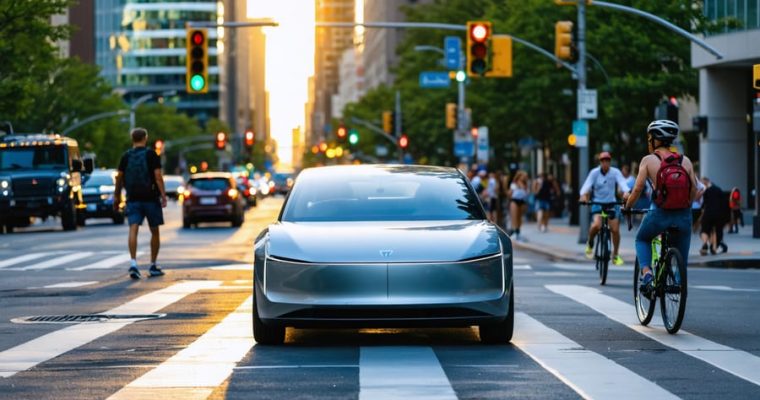
In 2018, a self-driving Uber vehicle struck and killed a pedestrian in Arizona, forcing society to confront an unsettling question: who bears responsibility when machines make fatal decisions? This wasn’t a hypothetical trolley problem debated in philosophy classrooms—it was a real tragedy that exposed the vast ethical territory we’re entering as artificial intelligence systems gain the power to act without human oversight.
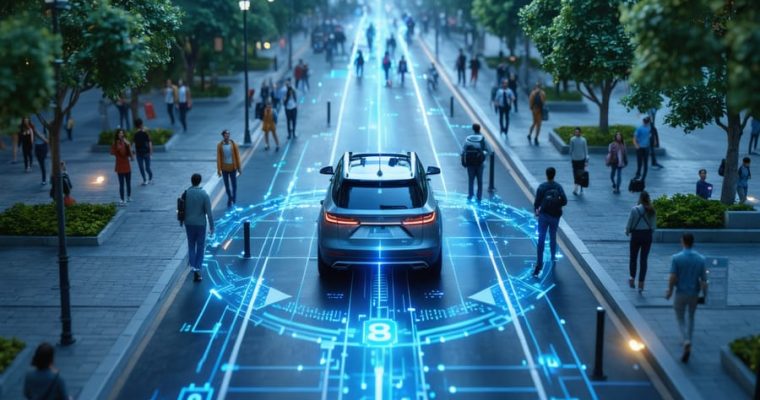
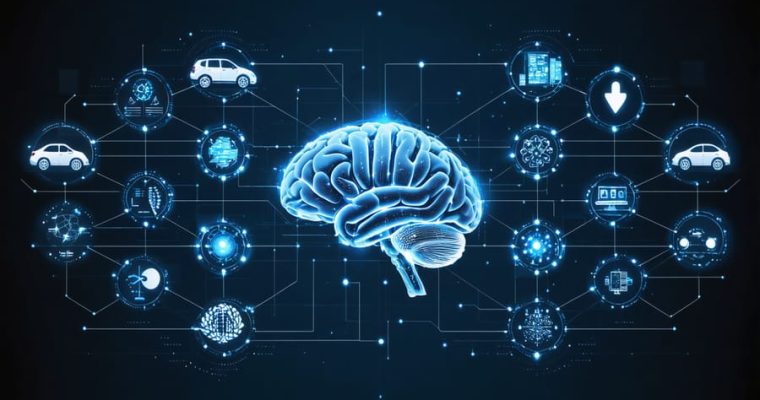
Autonomous decision-making refers to AI systems that analyze information, evaluate options, and execute actions independently, often faster and more consistently than humans ever could. These systems now approve loans, diagnose diseases, recommend criminal sentences, …